
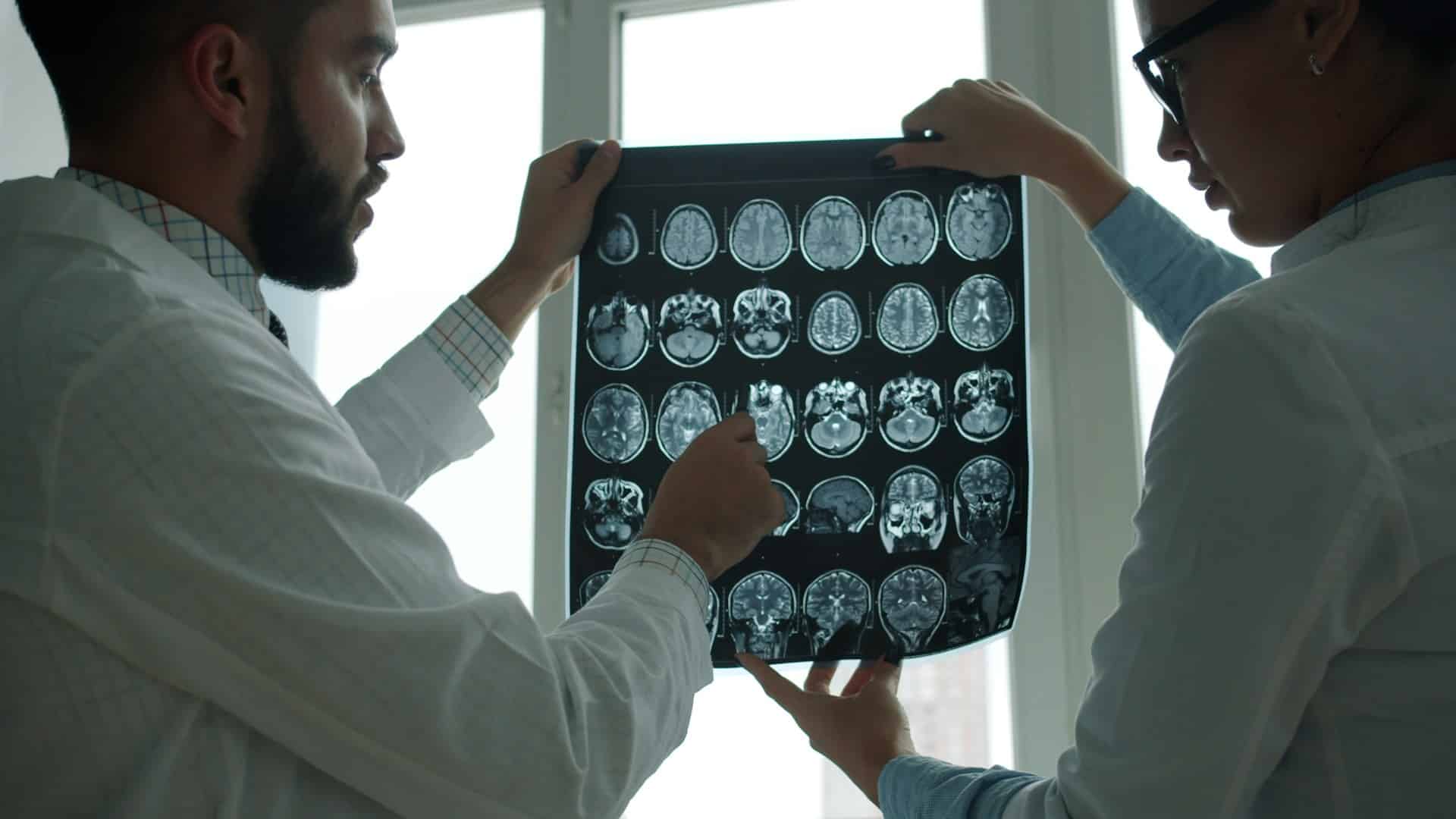
Traumatic brain injuries (TBIs) are commonly associated with a direct blow to the head. Images of concussions from sports collisions or blunt force trauma often dominate public understanding of how brain injuries occur. In the context of motor vehicle accidents, insurers frequently rely on this perception, scrutinizing claims for evidence of head impact before acknowledging the possibility of a brain injury.
However, modern medical research and accident biomechanics tell a different story. Brain injuries can occur even when there is no direct contact between the head and any surface. These cases, often referred to as acceleration–deceleration injuries or inertial TBIs, are among the most frequently disputed claims in personal injury litigation. For injured Albertans, the absence of a documented head strike can become a focal point for denial, delay, or minimization of compensation.
This blog examines how brain injuries can occur without head impact, why insurers dispute these claims, and how plaintiffs establish causation and damages in Alberta personal injury cases.
Understanding Traumatic Brain Injury Beyond Head Impact
A traumatic brain injury is defined as an alteration in brain function or other evidence of brain pathology caused by an external force. Importantly, that external force does not need to involve direct contact with the skull. Sudden acceleration or deceleration of the head can cause the brain to move within the cranial vault, leading to cellular and structural injury.
In motor vehicle collisions, this mechanism is common. Rear-end collisions, side impacts, and rollover accidents can produce rapid changes in velocity that subject the brain to shearing forces. Even when seatbelts and airbags function properly, the brain may still experience significant inertial movement.
Despite this medical reality, insurers often equate “no head impact” with “no brain injury.” This misunderstanding drives many of the disputes that arise in these cases.
The Biomechanics of Non-Impact Brain Injuries
When the body is suddenly accelerated or decelerated, the brain, suspended in cerebrospinal fluid, lags slightly behind the movement of the skull. This differential movement can stretch and damage neural tissue. The result may include diffuse axonal injury, microscopic tearing of nerve fibres that disrupts communication between different regions of the brain.
These injuries may not appear on standard imaging such as CT scans or routine MRIs. Nevertheless, they can cause significant cognitive, emotional, and functional impairments. Symptoms may include memory deficits, attention problems, difficulties with emotional regulation, fatigue, headaches, and reduced executive functioning.
From a legal perspective, the invisible nature of these injuries makes them particularly vulnerable to dispute.
Why Insurers Focus on the Absence of Head Impact
Insurance adjusters are trained to identify factors that reduce claim value. In brain injury cases, the lack of a documented head strike becomes an easy point of attack. Claims files may emphasize ambulance records, emergency room notes, or early medical reports that do not mention head contact.
This approach allows insurers to argue that the mechanism of injury is inconsistent with a traumatic brain injury. They may assert that symptoms are attributable to psychological factors, pre-existing conditions, or unrelated stressors rather than the accident itself.
The reality is that first responders and emergency physicians are often focused on life-threatening injuries. Subtle neurological symptoms may not be immediately apparent, particularly in mild-to-moderate TBIs. The absence of early documentation does not negate the existence of a brain injury, but insurers frequently rely on this gap to dispute causation.
Delayed Symptom Onset and Reporting Challenges
Non-impact TBIs often present with delayed or evolving symptoms. Cognitive fatigue, concentration difficulties, irritability, and sleep disturbances may not be obvious in the immediate aftermath of a collision. Many injured individuals attempt to return to work or daily activities, only to find that their functioning deteriorates over time.
This delay creates additional challenges in litigation. Insurers may argue that late-reported symptoms are inconsistent with acute brain injury or that they represent secondary psychological responses. In reality, delayed recognition is common in mild traumatic brain injuries and is well-documented in medical literature.
Courts in Alberta have acknowledged that the timing of symptom reporting must be considered in context, particularly where the mechanism of injury supports a plausible neurological explanation.
Diagnostic Limitations and the Role of Clinical Evidence
One of the most significant hurdles in non-impact TBI cases is the lack of definitive imaging findings. Standard CT scans are designed to identify gross structural damage, such as bleeding or fractures. Many traumatic brain injuries, particularly diffuse axonal injuries, occur at a microscopic level and are not visible on conventional imaging.
As a result, diagnosis often relies on clinical assessments rather than objective imaging alone. Neuropsychological testing, vestibular assessments, occupational therapy evaluations, and functional capacity examinations play a critical role in identifying cognitive and functional impairments.
Insurers frequently challenge these assessments, characterizing them as subjective or self-reported. However, when conducted by qualified professionals using standardized testing protocols, this evidence carries significant weight in court.
Establishing Causation in Alberta Brain Injury Claims
To succeed in a personal injury claim, plaintiffs must establish that the accident caused the injury on a balance of probabilities. In non-impact TBI cases, causation is often proven through a combination of biomechanical evidence, medical opinion, and lay testimony.
Expert evidence may explain how the forces involved in the collision were sufficient to cause brain injury despite the absence of head contact. Medical experts may opine on the consistency between the plaintiff’s symptoms and known patterns of traumatic brain injury. Neuropsychologists can demonstrate measurable deficits in cognitive functioning.
Lay witnesses, including family members, coworkers, and supervisors, often provide compelling evidence of pre- and post-accident changes. Courts place significant value on this testimony when assessing credibility and functional impact.
Common Defence Arguments and How They Are Addressed
Insurers routinely advance several arguments in non-impact brain injury cases. These include assertions that symptoms are exaggerated, that psychological factors are the primary cause of impairment, or that the plaintiff had pre-existing vulnerabilities.
While pre-existing conditions may complicate the analysis, Alberta law recognizes that defendants take plaintiffs as they find them. If an accident aggravates or accelerates a pre-existing condition, compensation may still be awarded.
Courts also distinguish between malingering and genuine cognitive impairment. Comprehensive assessments and consistency across medical records, testing results, and daily functioning are often decisive in resolving these disputes.
The Role of Independent Medical Examinations
Independent medical examinations (IMEs) are a common feature of disputed brain injury claims. Insurers may arrange assessments with neurologists, psychiatrists, or neuropsychologists who are retained for litigation purposes.
These examinations can be adversarial in nature, and their conclusions may conflict with treating professionals. Courts are tasked with weighing competing expert opinions, considering factors such as methodology, objectivity, and familiarity with the plaintiff’s history.
Plaintiffs should approach IMEs with preparation and legal guidance, as the findings can significantly influence settlement negotiations and trial outcomes.
Long-Term Consequences of Undiagnosed or Disputed TBIs
Brain injuries without head impact are not merely academic disputes. When insurers deny or minimize these injuries, plaintiffs may be left without access to necessary treatment, rehabilitation, and income replacement.
The long-term consequences of untreated TBIs can be profound. Cognitive fatigue may limit employability. Emotional dysregulation can strain personal relationships. Reduced executive functioning may impair independence and quality of life.
Accurate recognition and compensation are essential to ensuring that injured individuals receive the support required to manage these lasting effects.
Judicial Recognition of Non-Impact Brain Injuries
Alberta courts have repeatedly acknowledged that traumatic brain injuries can occur without direct head impact. Judges assess each case on its own facts, focusing on the totality of the evidence rather than relying on simplistic assumptions about injury mechanisms.
Where plaintiffs present coherent, credible, and medically supported claims, courts have been prepared to accept that acceleration–deceleration forces alone can cause significant brain injury. These decisions underscore the importance of thorough preparation and expert evidence in disputed cases.
Proving Non-Impact Brain Injury Claims in Alberta
Brain injuries without a head impact remain among the most misunderstood and contested claims in personal injury litigation. Despite advances in medical understanding, insurers continue to rely on outdated assumptions that equate brain injury with direct trauma to the head.
For injured Albertans, this disconnect can result in prolonged disputes and inadequate compensation. However, when claims are supported by sound medical evidence, credible testimony, and informed legal advocacy, courts are prepared to recognize the reality of non-impact traumatic brain injuries.
Understanding how these injuries occur and how they are proven is essential for anyone navigating the personal injury claims process following a motor vehicle accident.
Experienced Alberta Personal Injury Lawyers Assisting Clients With Traumatic Brain Injuries
At Cuming & Gillespie LLP in Calgary, we understand that traumatic brain injuries are incredibly serious and can occur even without a direct head impact. If you are experiencing cognitive, emotional, or neurological symptoms following an accident, Alberta insurers may dispute your claim based on outdated assumptions, but compensation remains possible with the right medical evidence and informed legal advocacy. Our team of experienced and compassionate personal injury lawyers are dedicated to protecting your rights and supporting your long-term recovery through every step of the rehabilitation and legal process. Please call us at 403-571-0555 or contact us online to book an appointment and ensure your claim is handled with the experience and care it deserves.