
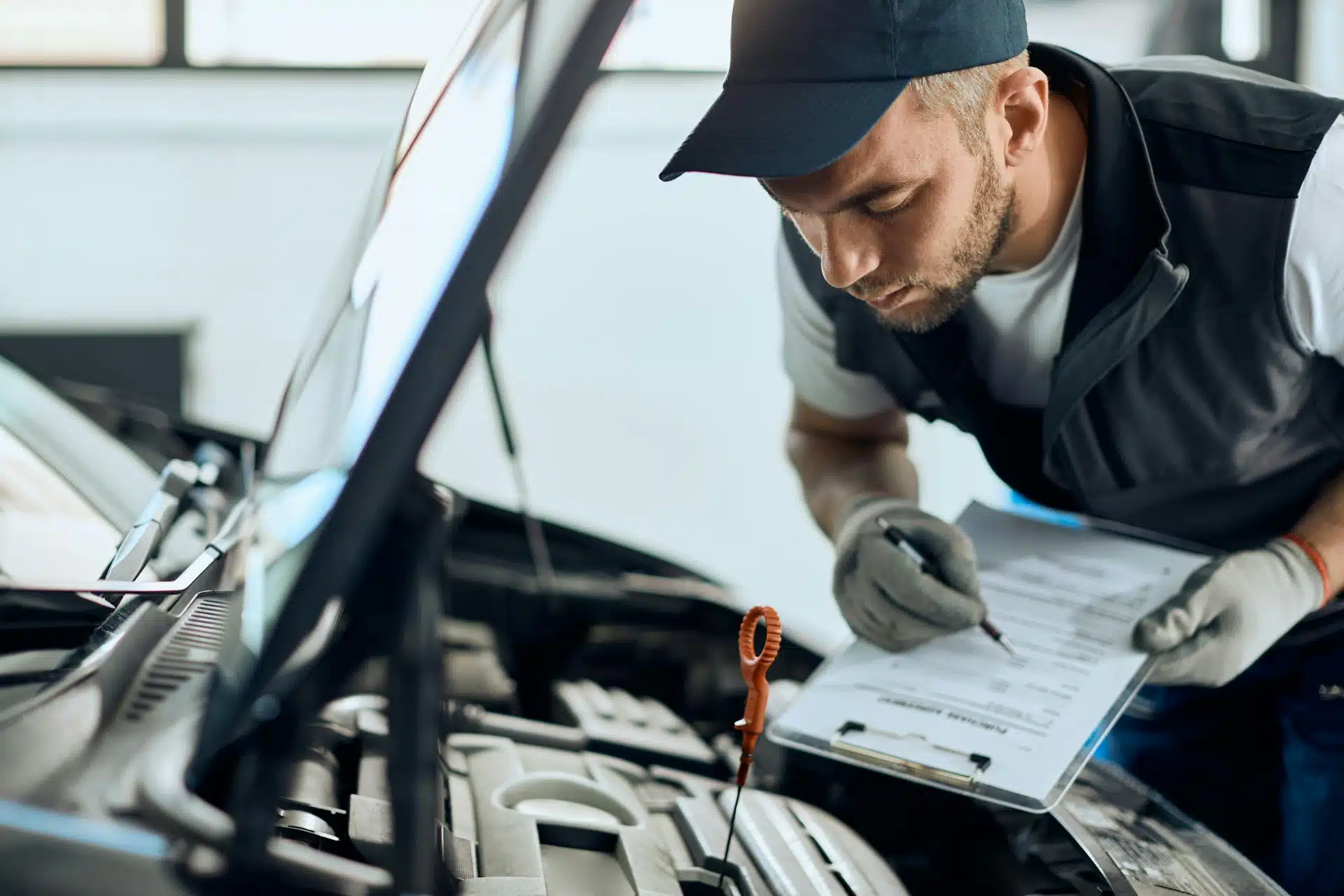
When a vehicle is serviced by a professional car dealership, drivers trust that the work has been done competently, safely, and in accordance with industry standards. Oil changes, brake inspections, tire installations, recall repairs, and warranty servicing are not merely conveniences, but are safety-critical services. When a dealership’s negligence during maintenance leads to a mechanical failure and a serious accident, the consequences can be devastating.
Can you bring a personal injury claim against a dealership if their maintenance error caused the crash? The answer is yes, in the right circumstances. Alberta law recognizes that dealerships and service centres owe a legal duty of care to customers, and when that duty is breached with foreseeable consequences, liability may follow.
The Legal Duty Owed by Car Dealerships and Service Departments
Car dealerships that offer maintenance and repair services are not casual or informal service providers. They operate as professional automotive service centres and are held to recognized standards of competence, training, and care. Under Alberta law, these businesses owe a duty of care to ensure that work performed on a vehicle is carried out safely and reasonably.
This duty extends not only to the vehicle owner but also to foreseeable users of the vehicle, including passengers and other road users who may be affected by a mechanical failure. The principle is straightforward: if negligent service creates a dangerous condition that later causes injury, liability may arise.
The duty of care typically includes properly diagnosing mechanical issues, using appropriate parts, adhering to manufacturer specifications, performing safety checks, and ensuring the vehicle is roadworthy before returning it to the customer.
What Is Negligent Vehicle Maintenance?
Negligent maintenance occurs when a dealership or its technicians fail to meet the standard of care expected of a reasonably competent automotive service provider. This does not require intentional wrongdoing. Instead, negligence may arise from carelessness, oversight, poor workmanship, or inadequate inspection practices.
Examples of negligent maintenance can include improperly installed brakes, failure to tighten wheel lug nuts, incorrect tire mounting, failure to complete recall repairs, overlooking worn steering components, or using incorrect or defective replacement parts. In some cases, the issue may stem from incomplete servicing or a failure to warn the customer of known safety risks.
Importantly, not every mechanical failure is the result of negligence. Vehicles can fail due to ordinary wear, manufacturing defects, or post-service damage. The key legal question is whether the dealership’s conduct fell below the required standard and whether that failure caused the accident.
How Negligent Maintenance Can Lead to Serious Accidents
Mechanical failures resulting from negligent servicing can lead to sudden and catastrophic loss of vehicle control. Brake failures, wheel detachments, steering malfunctions, and tire blowouts often occur without warning, leaving drivers with little opportunity to avoid a collision.
In Alberta, these incidents often occur at highway speeds, leading to rollovers, multi-vehicle crashes, or collisions with roadside infrastructure. The resulting injuries may include traumatic brain injuries, spinal cord damage, fractures, internal injuries, or death.
Because these accidents often appear similar to ordinary collisions at first glance, the role of negligent maintenance may not be immediately apparent. A thorough investigation is often necessary to identify the underlying mechanical cause and establish a connection to the dealership’s work.
Establishing Liability Against a Car Dealership
To succeed in a negligence claim against a car dealership, an injured person must establish the four core elements of negligence under Alberta law: duty of care, breach of the standard of care, causation, and damages.
The duty of care is usually straightforward, as dealerships clearly owe a duty to perform repairs safely. The more contested issues tend to involve whether the dealership breached that duty and whether the breach caused the accident.
Proving breach often requires technical evidence, such as service records, expert mechanical analysis, and manufacturer guidelines. The plaintiff must show that a reasonably competent service provider would not have made the same error under similar circumstances.
Causation requires demonstrating that the negligent maintenance materially contributed to the accident. This means showing that, but for the dealership’s negligence, the crash would likely not have occurred.
The Role of Expert Evidence in Negligent Maintenance Claims
Unlike many standard motor vehicle accident cases, negligent maintenance claims frequently depend on expert evidence. Automotive engineers, mechanical inspectors, or accident reconstruction specialists may be required to analyze failed components and explain how improper servicing led to the collision.
Experts may examine whether parts were incorrectly installed, whether torque specifications were ignored, whether safety inspections were incomplete, or whether known defects were not addressed. They may also assess whether the failure occurred in a way consistent with negligent workmanship rather than normal wear.
Because vehicles are often repaired or destroyed after an accident, preserving evidence early is critical. Delay can significantly complicate the process of determining what went wrong and who is responsible.
Claims Involving Recent Servicing or Repairs
Negligent maintenance claims are particularly strong when the vehicle was serviced shortly before the accident. When a mechanical failure occurs days or weeks after dealership work, courts are more likely to consider whether the service played a causal role in the failure.
Examples include wheels detaching after tire changes, brake failure following brake servicing, or engine fires after maintenance involving fuel or electrical systems. In these cases, the timing between the service and the failure can help establish a logical connection between the dealership’s conduct and the injury.
However, proximity alone is not enough. Evidence must still demonstrate that the servicing was deficient and that the deficiency caused the accident.
Liability Beyond the Individual Technician
In Alberta, car dealerships are generally responsible for the actions of their employees under the legal principle of vicarious liability. This means that even if a specific technician made the error, the dealership itself may be legally liable.
Additionally, liability may extend beyond the dealership in some instances. Parts manufacturers, third-party maintenance contractors, or corporate service chains may also be involved where defective components or outsourced work contributed to the failure.
Determining who should be named as defendants requires careful legal analysis and investigation, particularly in complex cases involving multiple service providers.
How These Claims Interact With Alberta Auto Insurance
Negligent maintenance claims often arise alongside traditional motor vehicle accident claims. Injured individuals may still pursue accident benefits through their own insurer while also advancing a tort claim against the responsible dealership.
Where the accident involves multiple at-fault parties, including another driver and a negligent service provider, Alberta’s contributory negligence framework allows liability to be apportioned among defendants. This ensures that responsibility is assigned based on actual fault rather than forcing the injured person to choose a single defendant.
Because dealership negligence claims often involve commercial defendants with separate insurers, these cases can differ significantly from typical two-vehicle collision claims.
Limitation Periods and Timing Considerations
In Alberta, personal injury claims are generally subject to a two-year limitation period, starting from the date the injured person knew or ought to have known that an injury occurred and that it was attributable to the defendant’s conduct.
In negligent maintenance cases, the discoverability of the claim may not always align perfectly with the date of the accident. If the mechanical cause of the collision is not immediately known, the limitation period may begin when the injured person reasonably discovers the dealership’s role.
That said, limitation issues can be complex, and delay can seriously jeopardize a claim. Seeking legal advice early is essential to preserving rights and evidence.
Common Defences Raised by Dealerships
Car dealerships and their insurers frequently raise defences in negligent maintenance claims. One common argument is that the mechanical failure resulted from normal wear and tear or subsequent misuse of the vehicle after it was serviced.
Another defence may involve allegations that the driver ignored warning signs, failed to maintain the vehicle properly, or continued to drive despite noticing mechanical issues. In some cases, dealerships argue that the failure resulted from a manufacturing defect rather than service negligence.
These defences highlight the importance of comprehensive investigation and expert analysis. A well-prepared claim anticipates these arguments and addresses them with evidence.
Compensation Available in a Successful Claim
If negligence is established, injured individuals may be entitled to compensation for a range of damages under Alberta law. These may include medical expenses, income loss, loss of future earning capacity, costs of care, and non-pecuniary damages for pain and suffering.
In serious cases, claims may also involve long-term disability, psychological injuries, or loss of enjoyment of life. Where injuries are catastrophic, future care and financial security become central considerations.
Each case is assessed on its own facts, with damages tailored to the individual’s injuries, circumstances, and prognosis.
The Crucial Role of a Personal Injury Lawyer
Negligent maintenance claims against car dealerships are not routine or straightforward personal injury cases. They often involve technical evidence, multiple defendants, and aggressive defence strategies. Dealership insurers are well-resourced and experienced in contesting liability.
An experienced Alberta personal injury lawyer can help identify viable claims, preserve critical evidence, retain the services of appropriate experts, and navigate the procedural and evidentiary challenges involved. Early legal involvement can significantly strengthen a claim and improve the likelihood of a fair outcome.
When to Seek Legal Advice
If you have been injured in a motor vehicle accident and suspect that a recent dealership service or repair may have played a role, it is important not to dismiss that possibility. Mechanical negligence is often overlooked, yet it can be a decisive factor in determining responsibility.
Prompt legal advice can help clarify whether a dealership may be liable, what steps should be taken to protect your rights, and how to pursue compensation while focusing on recovery.
Accountability in Automotive Safety
Car dealerships play a critical role in ensuring that vehicles on Alberta roads are safe to operate. When negligent maintenance undermines that safety, the consequences can be severe and life-altering. Alberta law provides a mechanism for holding service providers accountable when their failures cause harm.
Understanding your legal options is the first step toward accountability, compensation, and recovery. Where dealership negligence contributes to an accident, injured individuals are not without recourse, and they deserve answers, support, and fair treatment under the law.
Contact Cuming & Gillespie LLP in Calgary for Leading Representation in Motor Vehicle Accident Claims
If you were injured in a motor vehicle accident and suspect that negligent dealership maintenance may have contributed, obtaining timely legal advice is critical. The skilled personal injury lawyers at Cuming & Gillespie LLP can assess whether improper servicing played a role, preserve key evidence, and help you pursue compensation while you focus on recovery. We proudly represent clients across Alberta. To book a free consultation, please contact us online or call (403) 571-0555.