
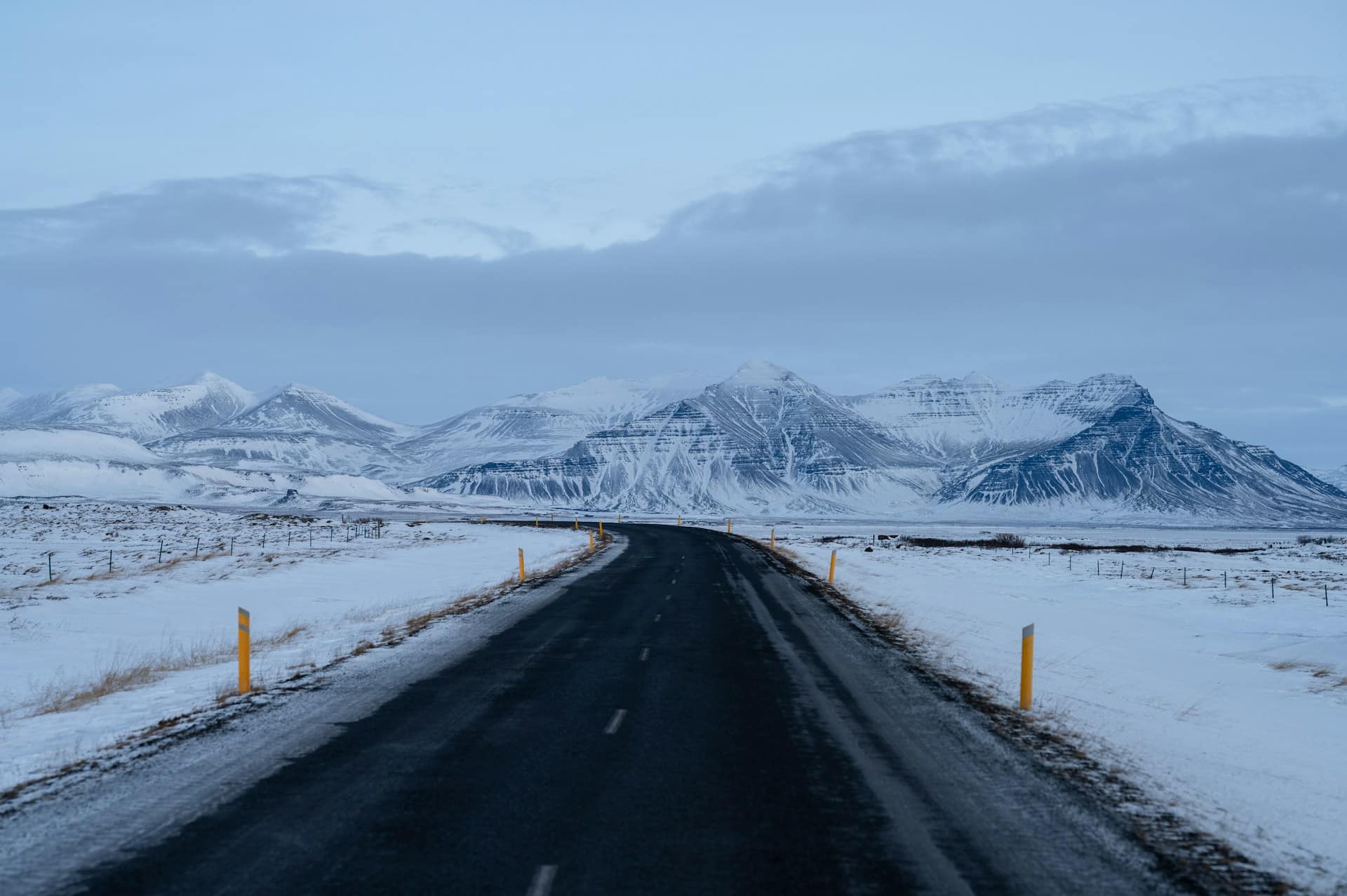
With the first snow already having fallen in Alberta, the province is bracing for another winter of challenging driving conditions. With freezing temperatures, blowing snow, and unpredictable road conditions, the province’s highways and city streets can quickly turn treacherous. Even experienced motorists are at risk when visibility drops or ice forms suddenly on the road surface.
In Alberta, winter is one of the busiest seasons for collision-related claims. Yet many of these accidents are preventable. Preparing your vehicle and planning your trips carefully can significantly reduce the risk of an accident, and, if one does occur, ensure you are better protected both physically and legally.
The Reality of Alberta’s Winter Driving Conditions
Alberta’s climate poses unique challenges for drivers. Temperatures can swing from mild to sub-zero within hours, creating layers of ice and slush that make traction unpredictable. Sudden snow squalls can obscure lane markings and cause pileups on highways such as Highway 2 between Calgary and Edmonton. Drifting snow and limited lighting in rural areas increase the risk of losing control or sliding into ditches.
Across Canada, collisions spike dramatically in November and December when the first snowfalls arrive. While weather is often cited as a factor, most “winter weather” accidents are caused by human error: driving too fast for conditions, failing to maintain equipment, or reacting poorly to road hazards.
Understanding these risks is the first step toward preventing them. Drivers must not only adapt their habits to the season but also ensure that their vehicles are appropriately equipped to handle Alberta’s particularly harsh conditions.
Winter Tires: A Critical Safety Investment
Installing proper winter tires is one of the most effective ways to reduce winter collision risk. While Alberta does not legally require winter tires, their benefits are well-documented. Winter tires are made from softer rubber compounds that remain flexible in cold weather, improving grip on ice and snow. Their tread patterns are specifically designed to channel slush and water away, reducing the chance of hydroplaning or skidding.
Despite their name, all-season tires are not sufficient for Alberta’s winter climate. They harden in cold temperatures, losing traction precisely when it’s needed most. The difference in stopping distance between all-season and winter tires can exceed 30 metres on icy pavement, a distance that could prevent a serious collision.
Drivers should ensure that their winter tires have adequate tread depth and are installed on all four wheels, not just the front or rear. Uneven traction can make a vehicle unstable and more prone to spinning out on turns or during sudden braking.
Maintaining Your Vehicle for Winter Safety
Proper vehicle maintenance is a key component of winter safety. Mechanical failures that may be minor inconveniences in summer can become dangerous or even life-threatening in freezing temperatures. Before winter sets in, drivers should schedule a comprehensive inspection to check brakes, fluids, and other essential systems.
Battery and Electrical Systems
Cold weather significantly reduces battery performance. A weak battery may fail without warning during a cold snap, leaving you stranded. Having your battery tested and replaced if necessary is one of the simplest preventive measures you can take.
Fluid and Wipers
Antifreeze levels should be adequate to prevent freezing, and windshield washer fluid should be rated for sub-zero temperatures. Wiper blades must be in good condition to maintain visibility during snow and sleet.
Brake and Lights
Ensure brake pads and rotors are functioning correctly and that all lights, including headlights, taillights, and signal lights, are clean and fully operational. Visibility and stopping power are critical when driving in snow or fog.
A proactive approach to maintenance does more than reduce accident risk—it can also demonstrate diligence if an accident occurs. If a collision leads to a personal injury claim, proof that your vehicle was well-maintained may help protect you from allegations of negligence.
Building an Emergency Winter Safety Kit
Even with proper preparation, Alberta’s winter conditions can change quickly. A simple trip can become an emergency if you encounter a road closure, lose traction, or experience mechanical failure. Having an emergency kit in your vehicle can make the difference between a minor inconvenience and a serious crisis (or catastrophic injury).
A comprehensive winter safety kit should include:
- Warm clothing, gloves, and blankets
- Non-perishable food and bottled water
- A flashlight and extra batteries
- A first aid kit and any essential medications
- A small shovel and traction aids such as sand or kitty litter
- A booster cable, ice scraper, and tow rope
- A fully charged mobile phone or power bank
In remote areas, additional items such as flares, candles, or a small emergency heater can be lifesaving.
Carrying an emergency kit is not just a matter of convenience; it reflects responsible conduct. In the event of an accident or prolonged delay, being able to stay warm and communicate for help is critical for your safety and can prevent further injury.
Adjusting Driving Habits for Winter Conditions
The best tires and safety equipment cannot compensate for unsafe driving behaviour. Alberta drivers often underestimate the need to modify their driving style in winter. Reduced traction and visibility require slower speeds, greater following distances, and smoother control inputs.
Accelerating gently, steering smoothly, and braking gradually can prevent skids and loss of control. It’s also essential to anticipate stops and turns well in advance, as hard braking on ice is one of the leading causes of rear-end collisions.
When visibility is poor, reducing speed and increasing the space between vehicles gives you more time to react to sudden hazards. Remember that four-wheel drive improves acceleration but does not shorten stopping distances.
Drivers should also plan routes carefully, avoiding less-maintained secondary roads and checking for highway advisories before departure. If the weather is severe, the safest option may be to postpone travel altogether.
Understanding Legal Responsibilities on Winter Roads
Under Alberta law, all drivers have a duty of care to operate their vehicles safely and responsibly in light of prevailing conditions. This means that when snow, ice, or fog makes driving hazardous, the standard of care expected from a reasonable driver increases.
If a collision occurs, weather alone does not excuse negligence. Courts may find drivers partially or fully at fault if they fail to adjust their speed, maintain their vehicles, or take reasonable precautions. For example, a driver who slides through an intersection due to bald tires or excessive speed may still be considered negligent, even if ice contributed to the loss of control.
This principle also applies in multi-vehicle collisions. Drivers must maintain safe distances and anticipate that others may brake suddenly or lose traction. Failing to do so can result in shared liability, reducing or eliminating potential compensation in a personal injury claim.
Road Maintenance and Shared Liability
Poor road maintenance may contribute to unsafe conditions in some winter accidents. Municipalities and contractors are responsible for timely snow removal, sanding, and salting, particularly on major routes. However, drivers must still exercise caution, as courts recognize that road crews can’t always maintain ideal conditions.
When a personal injury case involves allegations of municipal negligence, courts will examine whether the municipality met a reasonable standard of maintenance and whether the driver’s own conduct contributed to the collision. For example, if a driver was speeding on an icy road that had not yet been plowed, liability may be shared.
This interplay between driver responsibility and public maintenance highlights the importance of documenting road conditions after an accident. Photos, witness statements, and weather reports can all play a crucial role in establishing fault. It is also critical to consult an experienced personal injury lawyer as soon as possible, as notice timelines for a claim against a municipality can be considerably shorter than for other defendants.
The Importance of Documentation After a Winter Accident
Proper documentation can be invaluable in a personal injury claim if a collision occurs. Alberta’s unpredictable weather means that evidence can disappear quickly: snow melts, tire marks fade, and vehicles are towed. Taking photographs at the scene can help preserve crucial details about visibility, ice buildup, or snow accumulation.
Drivers should exchange information with all parties involved and obtain contact details from witnesses. Reporting the accident to the police is especially important when injuries or significant property damage occur. Prompt medical attention is also critical, even if injuries seem minor at first; symptoms such as whiplash or concussion can worsen over time.
Finally, contacting a personal injury lawyer as soon as possible ensures your rights are protected from the outset. A lawyer can assist with gathering evidence, communicating with insurers, and pursuing compensation for medical costs, lost income, and other damages.
Staying Informed: Weather, Alerts, and Travel Advisories
Alberta’s winter weather can change within minutes, and staying informed can prevent unnecessary risk. Before setting out, drivers should check forecasts, road conditions, and advisories from sources such as 511 Alberta and Environment Canada.
Consider whether the trip is essential when a travel advisory is in effect. Courts may consider a driver’s decision to proceed despite a weather warning as a factor in determining negligence. Similarly, failing to prepare adequately, such as neglecting to refuel or carry emergency supplies, can reflect poorly on a driver’s overall conduct.
A few moments spent checking conditions and preparing properly can prevent a devastating accident and strengthen your legal position should one occur.
Driving Smart, Staying Safe, and Protecting Your Rights
Winter driving in Alberta requires vigilance, preparation, and respect for the elements. Simple steps such as installing winter tires, maintaining your vehicle, carrying an emergency kit, and adjusting your driving habits can dramatically reduce risk.
From a legal perspective, these measures also demonstrate responsible conduct, which is an important factor in determining liability if a collision occurs. By preparing your vehicle, documenting conditions, and seeking legal advice when necessary, you can stay safe on the road and protect your rights after an accident.
Alberta’s winter roads will always present challenges. But with awareness, preparation, and care, drivers can navigate them safely while reducing the likelihood of preventable harm.
Contact Cuming & Gillespie LLP in Calgary for Assistance With Winter Driving-Related Injuries
If you or a loved one has been injured in a winter car accident in Alberta, Cuming & Gillespie LLP can help. Our knowledgeable personal injury and motor vehicle accident lawyers have extensive experience representing individuals injured in weather-related crashes. They can help you understand your rights, deal with insurance companies, and pursue fair compensation. To book a free consultation, please contact us online or call (403) 571-0555.