
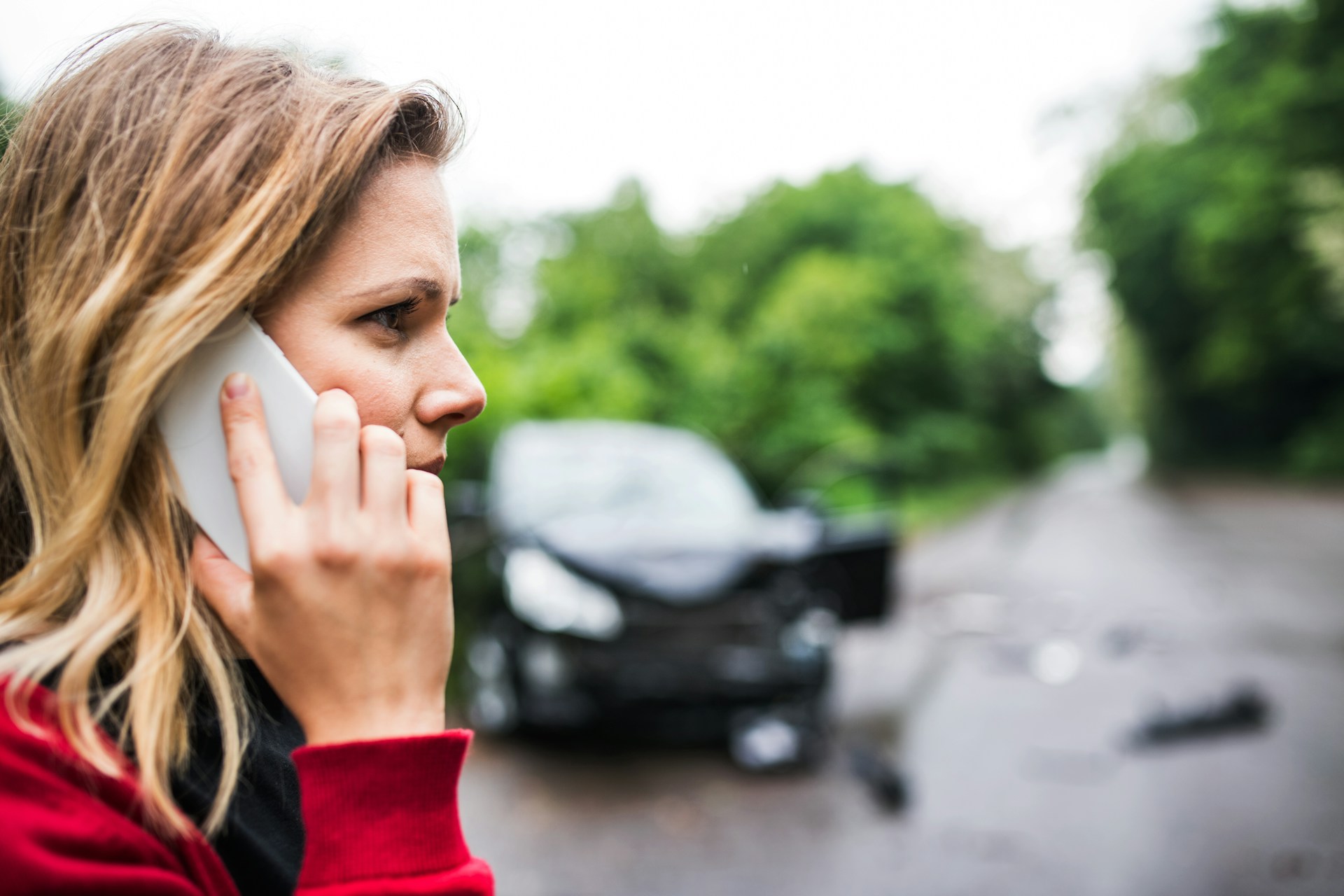
Alberta is made for summer road trips. From the mountain highways near Banff and Jasper to the roads surrounding Drumheller, Waterton Lakes National Park, and the province’s many campgrounds, summer offers countless opportunities to explore.
Unfortunately, a collision can quickly turn a relaxing getaway into a stressful situation. Being injured far from Calgary may create added challenges, especially when drivers do not know the area, their vehicle cannot be driven, or medical care is some distance away.
Knowing what to do after an out-of-town car accident may help protect everyone’s safety, preserve important information, and simplify the insurance process.
Make Safety the Immediate Priority
After a collision, drivers should first determine whether anyone has been injured. Call 911 when emergency assistance is required, including when someone is seriously hurt, traffic is obstructed, or there is a risk of another crash.
When it is safe and possible, move vehicles out of active traffic. Turn on hazard lights, stay alert to approaching vehicles, and avoid standing in traffic lanes or on narrow highway shoulders.
Remote roads may present additional hazards, including limited cell service, longer emergency response times, and high-speed traffic. Drivers should remain in a safe location and follow instructions from emergency responders.
Seek Medical Attention Away From Home
Some injuries are immediately apparent, while others may not become noticeable until hours or days later. Adrenaline and shock can temporarily mask pain and other symptoms.
A person experiencing pain, dizziness, numbness, confusion, nausea, weakness, difficulty breathing, or reduced mobility should consider obtaining medical attention promptly. Depending on the location, this may involve paramedics, an emergency department, an urgent care centre, or a local clinic.
Travellers should not delay assessment simply because their usual doctor is in Calgary. Records created in another Alberta community can document symptoms, diagnoses, treatment recommendations, and follow-up instructions.
Know When the Collision Must Be Reported
In Alberta, a traffic collision must be reported to police when it causes a death, an injury, or combined property damage that appears to total $5,000 or more. Even when damage initially looks minor, modern vehicles can be costly to repair. Sensors, cameras, lighting systems, bumpers, and structural components may push the total above the reporting threshold.
Drivers should follow the reporting directions provided by the police service responsible for the area. A collision near Canmore, Red Deer, Lethbridge, Medicine Hat, or a rural community may be handled differently from one in Calgary.
Document the Scene and Exchange Information
When it is safe, photographs and video can preserve details that may disappear once vehicles are moved or the road is cleared. Useful images may include vehicle positions, visible damage, licence plates, skid marks, debris, traffic signs, intersections, construction areas, weather conditions, and the surrounding road. On rural highways, record the highway number, direction of travel, nearest intersection, kilometre marker, landmark, or GPS location.
Drivers should also collect the other driver’s name, contact information, driver’s licence details, vehicle registration, licence plate number, and insurance information. Contact details from passengers and independent witnesses may also be valuable.
Avoid arguing about fault or speculating about the cause of the collision. The immediate priorities are safety, accurate information gathering, and cooperation with emergency personnel.
Keep Track of Towing and Vehicle Storage
An out-of-town collision may leave the vehicle at a repair shop, towing yard, dealership, or storage lot far from home. Before leaving, confirm where the vehicle is being taken and obtain the towing company’s contact information and paperwork.
Ask how personal belongings can be retrieved. Luggage, medication, identification, work equipment, car seats, and camping gear may remain inside.
Storage charges can accumulate while the vehicle remains at a towing yard. Contacting the insurer promptly may help clarify inspection, repair, transportation, rental vehicle, and storage arrangements.
Notify the Insurance Company Promptly
Alberta drivers should report the collision to their automobile insurer as soon as reasonably possible. The insurer can explain what information is required and how the claim may address vehicle damage, towing, temporary transportation, and accident benefits.
Under Alberta’s current automobile insurance system, accident benefits may be available through an injured person’s own insurer regardless of who caused the collision. These benefits may include eligible medical, rehabilitation, and income-related benefits, subject to the policy and applicable rules.
Drivers should also discuss whether the damaged vehicle can be transported to Calgary or must remain in the community for inspection or repair before incurring additional costs.
Arrange a Safe Way Home
A damaged vehicle may not be safe to drive, even if it can still move. Fluid leaks, damaged tires, broken lights, impaired steering, deployed airbags, or structural damage may make continuing the trip unsafe.
Depending on the policy and circumstances, transportation options may include a rental vehicle, taxi, rideshare, hotel stay, or help from family members.
Keep receipts for transportation, accommodation, meals, towing, medication, and other collision-related expenses. These records may be relevant during the insurance or claims process.
Continue Monitoring Symptoms in Calgary
Returning home does not necessarily mean the effects of the collision are over. Symptoms involving the neck, back, head, shoulders, joints, muscles, or nervous system may become clearer after the initial shock passes.
Follow-up appointments can document how symptoms develop. An injured person may also be referred for physiotherapy, diagnostic imaging, medication, rehabilitation, or assessment by another health-care provider.
Keeping a simple record of appointments, symptoms, missed work, activity restrictions, medication, travel costs, and other expenses can help organize information for health-care providers, insurers, or legal representatives.
Preserve Road-Trip Evidence and Records
An out-of-town accident may generate records that would not usually arise after a local collision. These can include hotel or campground bookings, park passes, fuel receipts, rental agreements, towing invoices, travel itineraries, and roadside assistance communications.
Dashcam footage should be downloaded before it is overwritten. Photographs, videos, witness messages, collision reports, medical records, repair estimates, and insurance correspondence should also be stored securely.
Consider Out-of-Town Complications
Some road-trip accidents involve additional issues. The other driver may live outside Alberta, the vehicle may be rented, the collision may involve a commercial truck, or road construction, wildlife, or poor maintenance may have contributed.
A hit-and-run or collision involving an uninsured driver may require consideration of Alberta’s Motor Vehicle Accident Claims Program. Specific requirements and deadlines may apply.
Different rules can also arise when an accident occurs outside Alberta, even if the injured person lives in Calgary. The collision location, insurance policies, residence of the drivers, and place where a claim may be started can all become relevant.
Do Not Assume There Is Plenty of Time
Personal injury claims are subject to limitation periods and procedural deadlines. In many Alberta cases, a two-year limitation period may apply, although the calculation depends on the circumstances. Claims involving uninsured or unidentified drivers may have additional notice requirements.
Waiting can create practical problems before a formal deadline arrives. Witnesses may become difficult to locate, footage may be deleted, vehicles may be repaired or destroyed, and memories may fade. Obtaining information early can help preserve evidence and identify the deadlines that may apply.
Cuming & Gillespie LLP: Calgary Car Accident Lawyers Serving Injured Albertans
An out-of-town crash can leave an injured person managing medical appointments, vehicle repairs, insurance paperwork, missed work, and unexpected travel expenses after returning home.
The personal injury lawyers of Cuming & Gillespie LLP assist people injured in motor vehicle accidents throughout Calgary, Southern Alberta, and communities across the province. We can review the circumstances of a car accident, explain the claims process, communicate with insurers, and help identify relevant benefits, evidence, and deadlines. To discuss an out-of-town car accident, highway collision, vacation crash, or other motor vehicle injury claim in Alberta, please contact us online or call (403) 571-0555.