
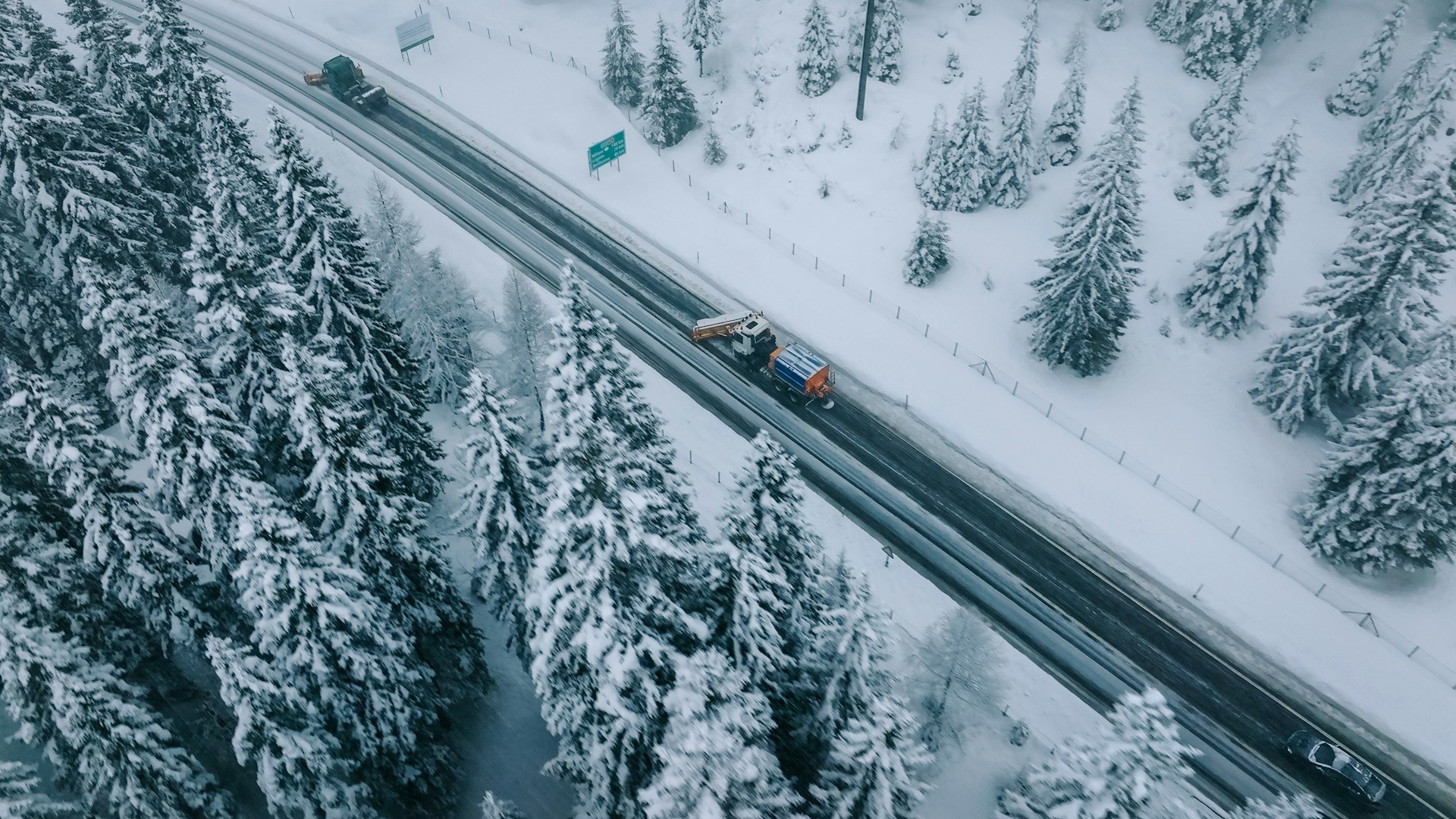
Winter driving in Alberta presents unique hazards. Heavy snowfall, icy roads, whiteout conditions, and reduced visibility are part of daily life for much of the year. To keep roads passable, municipalities and the province deploy snowplows across highways, residential streets, and rural roadways. While snowplows play a vital role in public safety, collisions between snowplows and passenger vehicles still occur. When they do, the legal and insurance consequences can be far more complex than in an ordinary car accident.
If you or a loved one has been injured in a collision involving a snowplow in Alberta, it is essential to understand how these cases work, who may be responsible, and what steps you must take to protect your right to compensation. Snowplow accidents often involve government entities, private contractors, and strict legal deadlines that can permanently affect your claim if missed.
Why Snowplow Accidents Are Different
Snowplows are large, heavy vehicles that operate in dangerous conditions. They often travel at slower speeds, make wide turns, stop unexpectedly, and push snow that can obscure visibility for nearby drivers. Many snowplows are equipped with wing blades that extend into adjacent lanes or shoulders, increasing the risk of side-impact collisions.
Unlike standard passenger vehicles, snowplows may be owned and operated by different entities, including municipal governments, the provincial government, or private contractors hired to perform snow removal. This distinction is significant because it directly impacts who can be held responsible and how a legal claim must be pursued.
Snowplow accidents also frequently occur during poor weather conditions. Insurance companies and government defendants often argue that road conditions (not driver negligence) were the primary cause of the collision. As a result, these claims tend to be more aggressively defended.
What to Do Immediately After a Snowplow Collision
The steps you take in the minutes and hours following a collision with a snowplow can significantly impact your ability to pursue a successful personal injury claim.
Your first priority should always be safety. If possible, move to a safe location away from traffic and check for injuries. Snowplow collisions can cause serious injuries due to the size and weight of the vehicle, so do not assume you are unhurt simply because symptoms are not immediately apparent.
Contact emergency services if anyone is injured or if the collision has caused significant damage. Police attendance is critical in snowplow accidents, as the police report may later play a key role in determining fault and identifying the agency or contractor responsible for the plow.
Documenting the scene is critical. If it is safe to do so, take photographs of vehicle damage, road conditions, weather, signage, and the snowplow itself. Make note of identifying information such as logos, vehicle numbers, or contractor names displayed on the plow. Collect contact information from witnesses whenever possible.
Even if you feel relatively well, seek medical attention as soon as possible. Many injuries common in winter collisions — including soft-tissue injuries, concussions or other brain damage, and spinal injuries — may not fully present symptoms until hours or days later. Prompt medical care not only protects your health but also creates a clear medical record linking your injuries to the collision.
Determining Liability in a Snowplow Accident
One of the most challenging aspects of snowplow accidents is determining who is legally responsible. Liability depends on who owned and operated the snowplow, as well as how the collision occurred.
In some cases, the snowplow driver may be clearly at fault due to careless driving, unsafe lane changes, failure to use warning lights, or operating the plow in a dangerous manner. In other cases, fault may be shared between the snowplow operator and the other driver, particularly where weather conditions and visibility played a role.
When the snowplow is privately owned and operated, the claim generally proceeds much like any other motor vehicle accident claim. The injured person can pursue compensation from the driver and the company’s insurance policy.
When the snowplow is owned or operated by a municipal or provincial government, or by a contractor acting on behalf of the government, additional legal rules apply.
Government-Owned Snowplows and Special Legal Rules
Claims involving government-owned or government-contracted snowplows are subject to special legislation in Alberta. Governments are not treated the same as private individuals or companies, and there are procedural requirements that must be followed exactly.
One of the most important differences is the requirement to provide early notice of a claim. In many cases involving municipal or provincial liability, injured individuals must provide written notice of their intention to claim compensation within a very short time frame; sometimes as little as a few weeks after the accident. Missing this deadline can completely bar your claim, regardless of how serious your injuries are.
In addition to notice requirements, claims involving snow, ice, or winter road maintenance often require a higher standard of proof. In certain situations, a municipality can only be held liable if it acted with “gross negligence.” This means the injured person must show not only that the government made a mistake, but also that it demonstrated a marked and serious disregard for safety.
These legal protections exist to shield governments from constant litigation arising from winter road conditions, but they also make snowplow accident claims significantly more complex than typical car accident cases.
The Role of Weather and Road Conditions
Weather plays a central role in many snowplow collisions. Snow, ice, blowing snow, and reduced visibility can contribute to accidents, even when all drivers are driving cautiously.
Insurance companies and government defendants often argue that winter conditions were unavoidable and that the collision was not the result of negligence. They may claim that the snowplow was operating as required or that the other driver failed to adjust their driving to the conditions.
A successful personal injury claim often requires detailed evidence showing that the snowplow operator’s conduct went beyond what was reasonable under the circumstances. This can include evidence of excessive speed, improper use of plow equipment, failure to follow safety protocols, or inadequate warning to other motorists.
Insurance Considerations After a Snowplow Accident
After any motor vehicle collision in Alberta, you are required to report the accident to your own insurance company. This applies even if you believe the snowplow driver was entirely at fault.
Alberta operates under a fault-based insurance system. This means that while your insurer may initially cover certain benefits, such as vehicle repairs or medical expenses, ultimate responsibility rests with the at-fault party. In snowplow cases, determining fault can be time-consuming, particularly when a government entity is involved.
If the snowplow was government-owned, the claim may involve government risk management departments rather than a traditional insurance adjuster. These entities are often highly experienced in defending claims and may take a strict approach to liability and damages.
Compensation Available to Injured Victims
If you are injured in a collision with a snowplow, you may be entitled to compensation for a wide range of losses, depending on the severity of your injuries and the impact on your life.
Compensation may include medical expenses not covered by public healthcare, such as physiotherapy, chiropractic treatment, medication, and rehabilitation services. If your injuries prevent you from working, you may also be entitled to compensation for lost income and loss of future earning capacity.
In addition to financial losses, injured individuals may claim non-economic damages for pain and suffering, loss of enjoyment of life, and the emotional distress resulting from the accident. While Canadian law places limits on non-pecuniary damages, serious injuries can still result in substantial awards.
Property damage, out-of-pocket expenses, and future care costs may also form part of a comprehensive personal injury claim.
When a Winter Necessity Poses a Danger
A collision with a snowplow can be physically, emotionally, and financially overwhelming. While these vehicles are essential to keeping Alberta’s roads safe in winter, they are not immune to causing severe harm when accidents occur.
Snowplow accident claims involve unique legal challenges, particularly when government entities are involved. Strict notice requirements, higher liability standards, and aggressive defence strategies make early legal advice essential.
If you or a loved one has been injured in a snowplow collision in Alberta, acting quickly can make all the difference. Understanding your rights and obtaining experienced legal guidance can help ensure that you receive the compensation and support you need to move forward.
Contact Cuming & Gillespie LLP for Assertive Advocacy After a Snowplow Collision in Alberta
If you or a loved one has been injured in a collision with a snowplow in Alberta, timely legal advice is critical. Claims involving municipal or provincial snowplows are subject to strict notice requirements and heightened legal thresholds that can permanently affect your right to compensation.
At Cuming & Gillespie LLP, our knowledgeable car accident lawyers can help you understand who may be liable, preserve key evidence, and ensure that all deadlines are met. Speaking with counsel early can make a meaningful difference in protecting your claim and securing the compensation you deserve. To book a confidential consultation, please contact us online or call (403) 571-0555.