
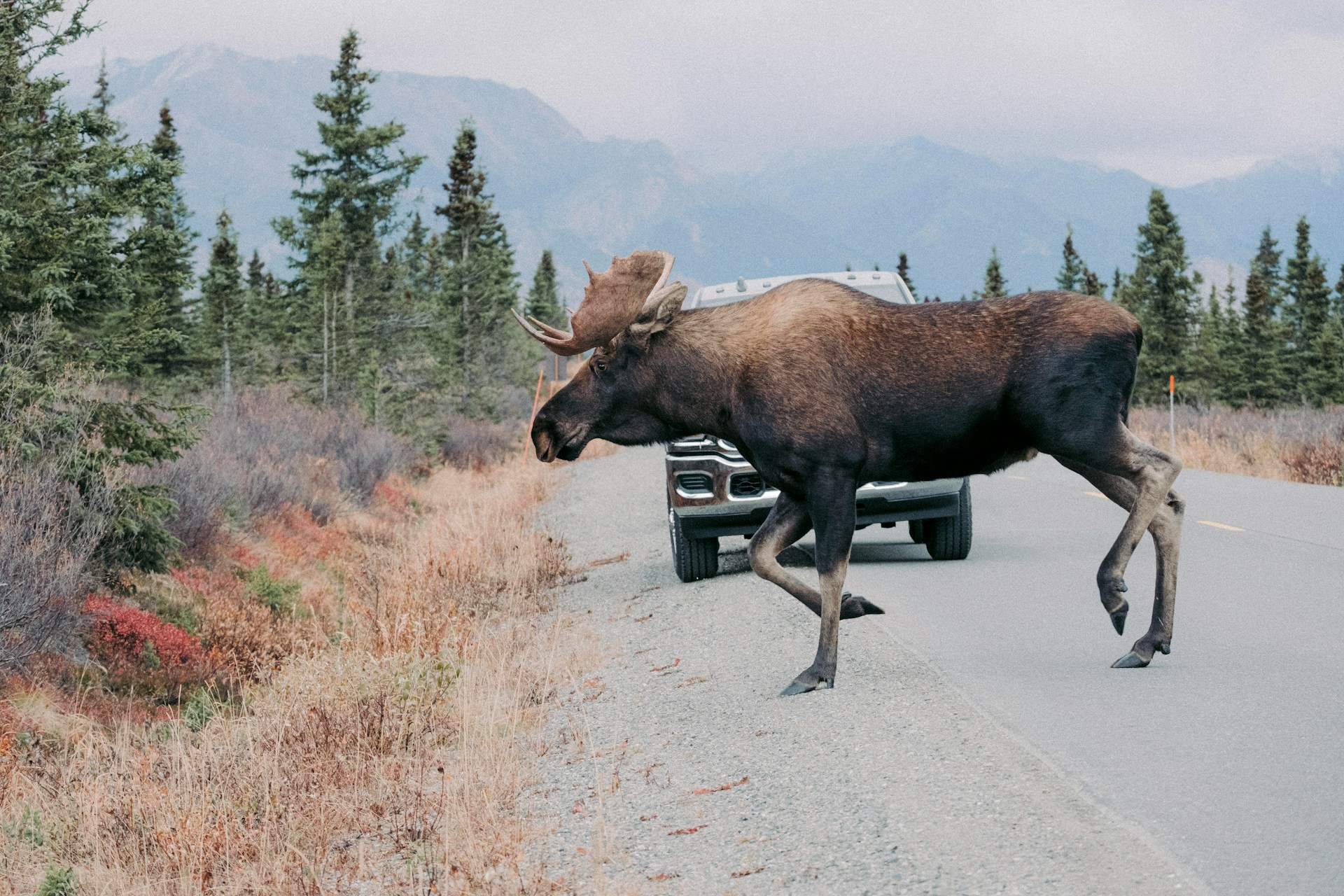
Collisions involving wildlife are a common and often serious hazard on Alberta’s roads. With expansive rural highways, active migration corridors, and large animal populations (including deer, elk, and moose), drivers face heightened risks, particularly during dawn, dusk, and seasonal transitions. While many people think of wildlife collisions as unavoidable accidents, the legal and insurance implications can be complex, especially when injuries or fatalities occur.
For injured drivers and passengers, understanding how these incidents are treated under Alberta law is essential. Issues such as liability, compensation, and insurance coverage often depend on how the accident occurred, whether it involved direct impact with an animal, evasive action such as swerving, or a chain-reaction crash involving other vehicles.
The Reality of Wildlife Collisions in Alberta
Wildlife collisions are not rare or isolated events in Alberta. Highways that cut through forested or rural areas frequently intersect with animal habitats, and large animals (particularly moose) pose a significant danger due to their size and height. Unlike smaller animals, collisions with moose often result in severe or catastrophic outcomes because the animal’s body may strike the windshield or roof of a vehicle.
Even when drivers take reasonable precautions, such as reducing speed or remaining alert, encounters with wildlife can occur suddenly and without warning. These split-second scenarios often lead to difficult decisions, such as whether to brake or swerve, choices that can carry serious consequences.
Common Injuries in Wildlife-Related Accidents
The injuries resulting from wildlife collisions can vary widely depending on the nature of the accident. Direct collisions with large animals often result in high-impact trauma, while swerving incidents may involve rollovers or collisions with roadside objects.
One of the most serious risks in wildlife collisions is traumatic brain injury (TBI). When an animal strikes the windshield or when a vehicle rolls over, occupants may suffer head injuries ranging from concussions to permanent cognitive impairment. These injuries can have long-term effects on memory, concentration, and overall quality of life.
Spinal injuries are also common, particularly in high-speed collisions or rollovers. Damage to the spine can result in chronic pain, reduced mobility, or, in severe cases, paralysis. Soft tissue injuries, including whiplash, are frequently reported in both direct-impact and evasive manoeuvre scenarios, although these injuries may be more difficult to prove in insurance claims.
In addition to physical injuries, psychological trauma should not be overlooked. Drivers involved in sudden wildlife encounters—especially those involving fatalities or near-death experiences—may develop anxiety, post-traumatic stress symptoms, or a lasting fear of driving.
Fatal Wildlife Collisions and Wrongful Death Claims
Tragically, wildlife collisions can be fatal. This is particularly true in accidents involving large animals or high-speed highways. In such cases, surviving family members may have the right to pursue a wrongful death claim under Alberta law.
Wrongful death claims may provide compensation for losses such as loss of financial support, loss of companionship, and funeral expenses. While no amount of compensation can replace a loved one, these claims can play an important role in providing financial stability and accountability following a fatal crash.
The viability of a wrongful death claim will depend on whether any party can be held legally responsible for the accident. While many wildlife collisions are considered unavoidable, there are circumstances in which liability may still arise.
Swerving to Avoid Wildlife: Legal Risks and Consequences
One of the most legally complex aspects of wildlife accidents arises when a driver swerves to avoid an animal and collides with another vehicle. While instinct may lead a driver to take evasive action, the legal consequences of that decision can be significant.
In general, drivers are expected to maintain control of their vehicle and avoid creating additional hazards. If swerving to avoid an animal results in a collision with another vehicle, a ditch, or a fixed object, the driver who took evasive action may still be found partially or fully at fault.
However, fault is not automatic. Courts will consider whether the driver’s actions were reasonable in the circumstances. For example, swerving to avoid a large animal that poses a significant risk of injury may be viewed differently than swerving to avoid a smaller animal, where braking may have been the safer option.
These cases often turn on detailed factual analysis, including speed, visibility, road conditions, and the size of the animal involved. As a result, determining liability in swerving cases can be highly nuanced.
Who Can Be Liable in a Wildlife Collision?
While wildlife obviously cannot be held legally responsible, other parties may bear liability in certain situations. Identifying potential defendants is a critical step in pursuing a personal injury claim.
In some cases, another driver may be at fault. For example, if a driver stops suddenly for wildlife without warning and causes a rear-end collision, or if a commercial driver fails to operate their vehicle safely in known wildlife zones, liability may arise.
Government entities may also be liable in limited circumstances. If a roadway is known to have a high frequency of wildlife crossings and reasonable measures (such as signage, fencing, or wildlife corridors) have not been implemented, there may be grounds for a negligence claim. These claims are complex and often require evidence of prior incidents and a failure to take reasonable preventative steps.
Additionally, in rare cases, landowners or businesses may contribute to wildlife-related hazards. For instance, if certain activities attract animals to areas near roadways, questions may arise about whether reasonable precautions were taken to mitigate the risk.
Insurance and Compensation After a Wildlife Accident
In Alberta, compensation for injuries arising from motor vehicle accidents, including those involving wildlife, often begins with insurance coverage. Depending on the circumstances, injured parties may be entitled to benefits under their own policy, such as medical and rehabilitation coverage.
However, when injuries are serious, insurance benefits alone may not fully compensate for losses such as pain and suffering, loss of income, or long-term care needs. In these cases, a civil claim against a negligent party may be necessary.
It is also important to note that insurance companies may scrutinize wildlife collision claims closely, particularly where there is no physical evidence of the animal or where the accident involved a single vehicle. Establishing credibility and preserving evidence—such as photographs, witness statements, and accident reports—can be critical to the success of a claim.
Proving Your Claim: Evidence Matters
Wildlife accident claims often hinge on the availability and quality of evidence. Because animals typically leave the scene and there may be no independent witnesses, insurers may question whether the incident occurred as described.
Key forms of evidence may include photographs of vehicle damage, skid marks, or the surrounding area; dashcam footage; police or accident reports; and medical documentation linking injuries to the accident. In more complex cases, expert evidence, such as accident reconstruction, may be required.
Promptly documenting the scene and seeking legal advice can significantly strengthen an injured party’s position.
Cuming & Gillespie LLP: Calgary Car Accident Lawyers Providing Trusted Legal Advice After a Wildlife Collision
If you or a loved one has been injured in a wildlife-related accident, you may be entitled to compensation, even if the collision initially appears unavoidable. Determining liability and navigating insurance claims in these cases can be complex, particularly where serious injuries or multiple vehicles are involved.
At Cuming & Gillespie LLP, our personal injury lawyers have extensive experience handling wildlife collision claims, including cases involving catastrophic injuries, disputed liability, and wrongful death. We work closely with clients to investigate the circumstances of their accident, gather critical evidence, and pursue the full compensation they are entitled to under the law.
Contact our team online or call (403) 571-0555 for a free consultation and learn how we can help you move forward after a serious wildlife accident.