
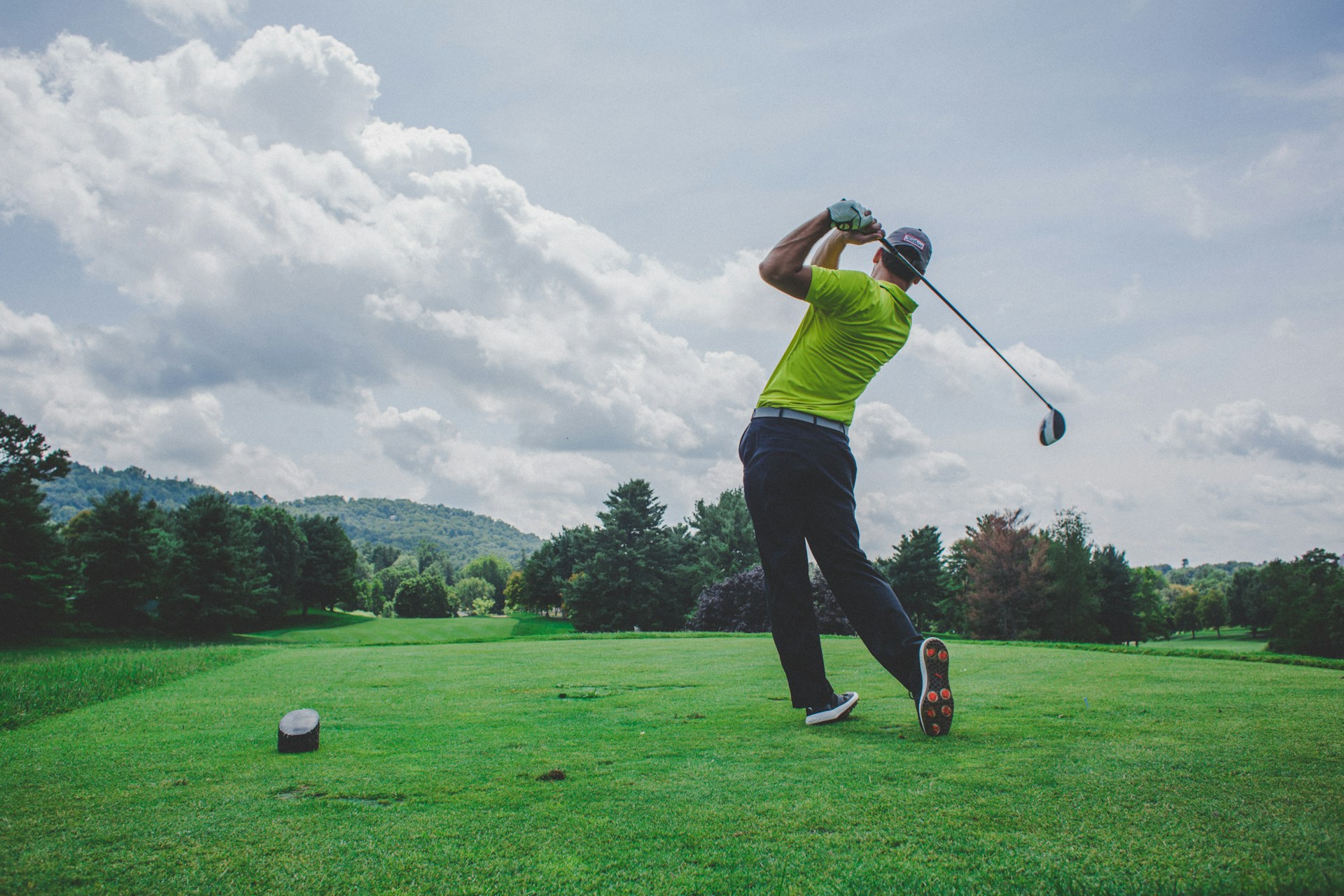
As warmer weather returns to Alberta, golf courses, public parks, and recreational facilities reopen for the season. These “opening days” are often highly anticipated, drawing large crowds eager to enjoy outdoor activities after a long winter. However, early-season conditions can also create heightened risks. Snowmelt, unstable ground, deferred maintenance, and increased foot traffic can contribute to accidents and injuries.
When an injury occurs in these settings, questions of liability often arise. Who is responsible for ensuring that the premises are safe? What duties do property owners and operators owe to visitors? And what legal options are available to individuals who are injured due to unsafe conditions?
Occupiers’ Liability in Alberta
In Alberta, liability for injuries occurring on property is primarily governed by the Occupiers’ Liability Act. This legislation imposes a duty on “occupiers” of premises to take reasonable care to ensure that visitors are reasonably safe while on the property.
An “occupier” is broadly defined and may include:
- Property owners
- Tenants or leaseholders
- Municipalities responsible for public spaces
- Businesses operating recreational facilities
The duty of care is not absolute. Occupiers are not required to guarantee safety, but they must take reasonable steps to identify hazards and address them in a timely manner. What is “reasonable” will depend on the circumstances, including the nature of the property, the foreseeability of harm, and the steps taken to mitigate risks.
Why Opening Day Presents Unique Risks
Opening day is not just another day of operation. It often follows months of inactivity during which conditions may deteriorate or change significantly.
Common early-season hazards include:
- Uneven or unstable ground due to freeze-thaw cycles
- Residual ice or snow in shaded areas
- Poorly maintained pathways or cart trails
- Fallen debris, branches, or damaged structures
- Equipment that has not been properly inspected or serviced
In many cases, these risks are foreseeable. Occupiers are expected to anticipate seasonal hazards and implement reasonable inspection and maintenance protocols before reopening to the public.
Liability at Golf Courses
Golf courses present a unique mix of natural and man-made hazards. On opening day, these risks may be amplified due to limited maintenance or incomplete course preparation.
Course Conditions and Maintenance
Golf course operators are responsible for maintaining fairways, greens, cart paths, and common areas in a reasonably safe condition. Early in the season, issues such as uneven terrain, hidden holes, or waterlogged areas can pose tripping hazards.
If an injury occurs because the course was not properly inspected or maintained, the operator may be found liable.
Golf Cart Accidents
Golf carts are a frequent source of injury, particularly when paths are damaged, slippery, or poorly marked. On opening day, cart paths may not yet be fully repaired after winter damage.
Operators have a duty to ensure that cart paths are safe and clearly marked, and to maintain carts in proper working condition. They also must provide adequate warnings about hazardous areas. Failure to do so can result in liability if a user is injured.
Struck-by-Ball Incidents
Golf inherently involves some level of risk, including the possibility of being struck by a ball. However, not all such incidents are unavoidable.
Liability may arise where:
- The course layout creates unreasonable risks
- Adequate signage or warnings are not provided
- Staff fail to manage dangerous situations
The analysis often turns on whether the risk was inherent to the activity or whether it was exacerbated by negligence.
Liability in Parks and Public Spaces
Public parks are typically operated by municipalities, which owe a duty of care to visitors under Alberta law. While municipalities are not expected to eliminate all risks, they must take reasonable steps to ensure that parks are safe for public use.
Pathways and Walking Trails
Early-season conditions can make pathways particularly hazardous. Ice, mud, and debris may accumulate, creating slipping and tripping risks.
Municipalities may be liable where they fail to conduct reasonable inspections, address known hazards within a reasonable timeframe, or provide warnings about dangerous conditions.
The standard of care may vary depending on the type of pathway and its expected use.
Playgrounds and Recreational Equipment
Playground equipment and recreational structures may deteriorate over the winter months. Before reopening, municipalities are expected to inspect and, where necessary, repair or replace equipment.
Injuries may occur due to:
- Broken or unstable equipment
- Missing safety features
- Unsafe surfaces beneath play structures
Failure to properly inspect and maintain these facilities can result in liability.
Natural Hazards
Parks often contain natural features such as hills, trees, and bodies of water. While some risks are inherent, municipalities may still be required to address hazards that are not obvious or that pose an unreasonable danger.
For example, hidden sinkholes, unstable embankments, or poorly maintained bridges may give rise to liability if they cause injury.
Recreational Facilities and Seasonal Reopening Risks
Recreational facilities such as sports complexes, community centres, and outdoor rinks also face unique challenges during seasonal reopening.
Equipment and Facility Maintenance
Facilities must ensure that all equipment is safe and functioning properly. This includes inspecting:
- Fitness equipment
- Sporting surfaces (e.g., turf, courts, fields)
- Seating areas and spectator zones
If equipment has not been properly maintained or inspected after the off-season, the risk of injury increases significantly.
Staffing and Supervision
Opening day often involves new or returning staff who may not yet be fully trained or familiar with safety protocols. Inadequate supervision can contribute to accidents, particularly in facilities that involve higher-risk activities.
Operators may be liable where staff are not properly trained, safety protocols are not enforced, or dangerous situations are not adequately monitored.
The Role of Waivers and Assumption of Risk
Many recreational facilities require participants to sign waivers or acknowledge certain risks. While these documents can limit liability, they are not absolute.
Courts will examine whether:
- The waiver was clearly drafted and brought to the participant’s attention
- The risks were adequately explained
- The injury falls within the scope of the waiver
Importantly, waivers may not protect against gross negligence or situations where the occupier failed to meet the required standard of care.
Contributory Negligence
In some cases, injured individuals may share responsibility for the accident. Alberta law recognizes the concept of contributory negligence, where damages may be reduced based on the plaintiff’s degree of fault.
For example, a court may consider whether the injured person ignored posted warnings, used equipment improperly, or engaged in risky behaviour.
However, even where contributory negligence is found, an injured person may still be entitled to partial compensation.
The Importance of Timely Action
In Alberta, most personal injury claims must be commenced within two years of the date the claim was discovered. Determining when a claim is “discovered” can be complex, particularly in cases involving latent hazards or delayed injuries.
Failing to commence a claim within the applicable limitation period can result in the loss of the right to seek compensation. As such, timely legal advice is critical.
Injured at a Golf Course or Recreational Facility in Alberta? Cuming & Gillespie LLP Can Help
If you were injured at a golf course, park, or recreational facility in Alberta, you may be entitled to compensation. Opening day accidents often involve unique hazards and complex liability issues, particularly where maintenance, inspections, or safety protocols were inadequate.
The personal injury lawyers at Cuming & Gillespie LLP have extensive experience handling occupiers’ liability claims involving recreational facilities, municipal properties, and private operators. We will investigate the circumstances of your injury, gather critical evidence, and advocate for the compensation you deserve. To schedule a confidential consultation, please contact us online or call (403) 571-0555.