
National Drowning Prevention Week is an annual reminder that water safety requires more than good intentions. In 2026, it takes place from July 19 to 25. The week focuses attention on drowning prevention, water-related injuries, planning, skill-building, and safer choices around water.
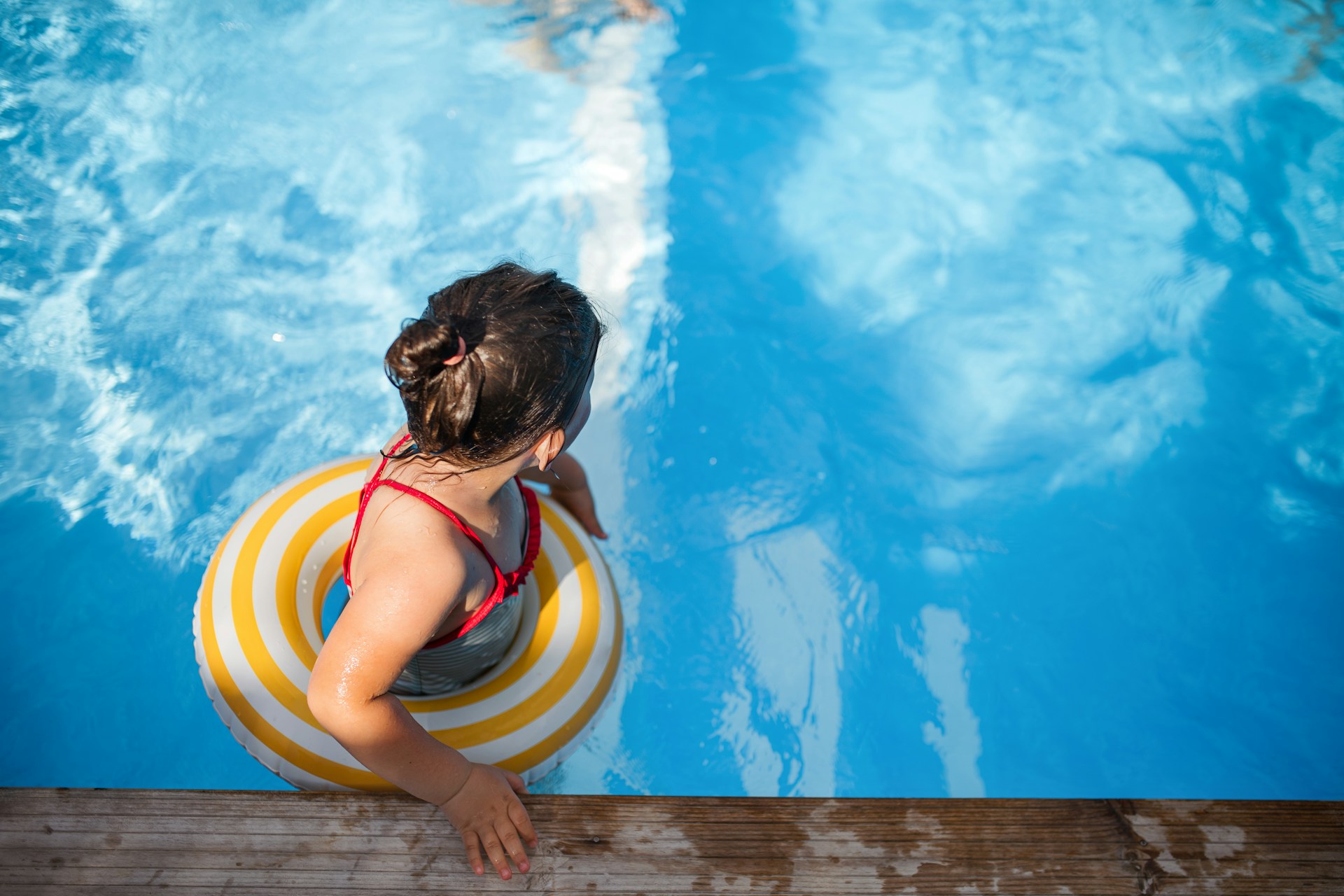
For Alberta families, summer often means lake days, backyard pools, boating trips, campground weekends, and hotel swimming pools. These activities can be enjoyable, but they can also create a false sense of security when children use floaties, water wings, pool noodles, or other swimming aids.
Water-related incidents, including fatal accidents, can happen quickly and quietly. While swimming aids and pool toys may have a place in supervised play, they should never be mistaken for safety equipment, swimming ability, or adult supervision.
The Problem With False Confidence Around Water
Floaties, inflatable rings, and similar products can make a child appear more comfortable in the water than they really are. A child who can move around while wearing floaties may seem independent, but that does not mean they can swim, recover from a fall, or respond if the device slips off.
This false confidence can affect children and adults. Children may believe they can enter deeper water because the device has supported them before. Caregivers may feel more comfortable looking away because the child appears secure.
Inflatable devices can shift, deflate, slide off, tip over, or place children in awkward positions. A child accustomed to artificial buoyancy may panic if that support suddenly disappears.
Floaties Are Not the Same as Life Jackets
Flotation toys are different from properly fitted life jackets or personal flotation devices. Floaties, arm bands, inflatable rings, and pool toys are designed for recreation. They are not substitutes for Canadian-approved safety equipment when it is required or appropriate.
A life jacket or personal flotation device is designed to help keep a person afloat when properly selected, fitted, fastened, and used as intended. Many inflatable toys are designed only for play.
This distinction is especially important in Alberta lakes, rivers, and reservoirs, where cold water, drop-offs, currents, boat traffic, uneven surfaces, and limited visibility may be present. A toy used in a backyard pool may provide little protection in open water.
Pool Toys Can Create Risky Situations
Pool noodles, inflatable animals, floating mats, and inner tubes can make swimming more fun, but they may also contribute to risk. Children may climb on them, push each other off, or drift into deeper areas.
Large toys can block sightlines in a busy pool or lake. They can also encourage children to go beyond their swimming ability. If a toy slips away or becomes difficult to control, a child may not have the skills to return safely.
Supervision Cannot Be Replaced by Equipment
Active supervision remains essential to drowning prevention. A child in distress may not be able to call out, wave, or splash loudly. Caregivers need to watch closely, remain within an appropriate distance, and avoid distractions such as phones, conversations, cooking, reading, and alcohol.
Young children and weaker swimmers often require close, continuous supervision. Even shallow water can be hazardous if a child falls, becomes disoriented, or cannot get upright.
This is particularly important during gatherings. When many adults are present, each person may assume someone else is watching. Assigning a specific adult to supervise can help prevent confusion at barbecues, cottage weekends, campgrounds, and family events.
Alberta Lakes and Rivers Add Extra Hazards
Outdoor water settings can be very different from controlled pools. Lakes and rivers may have uneven bottoms, sudden drop-offs, slippery rocks, weeds, cold water, changing currents, and poor visibility. A child standing comfortably one moment may lose their footing the next.
Rivers can be especially unpredictable. Current strength may not be apparent from shore, and water levels can change after rain, snowmelt, or dam-related flow changes. Even strong swimmers can face difficulty in moving water.
Inflatable toys can also drift quickly. Wind, current, or boat wake may carry a child farther from shore than expected, turning play near the shoreline into a serious situation.
Water Wings Can Affect Swimming Development
Water wings may help children feel comfortable, but reliance on them can affect how a child understands swimming and buoyancy. Arm floaties hold children in a more vertical position than the horizontal posture used for swimming.
A child may become accustomed to bobbing upright instead of learning to float, kick, roll, breathe, and move through the water. When the device is removed, a child who felt confident with floaties may not understand why the water feels different. Swimming lessons and supervised practice can help children build more realistic confidence.
“Shallow” Does Not Always Mean Safe
Drowning risk is not limited to deep water. Toddlers and young children can get into difficulty in kiddie pools, hot tubs, ditches, ponds, and other small bodies of water. A child can slip, fall forward, become trapped, or be unable to regain their footing.
Many incidents also involve brief lapses. A caregiver answers a question, checks a phone, steps inside for a towel, or helps another child. Floaties may worsen this risk by creating the impression that a child is secure. Swimming aids should be treated as recreational tools only. They do not reduce the need for close supervision, barriers, swimming skills, or proper safety equipment.
Safer Habits for Families and Caregivers
Water safety is not about eliminating summer fun. It is about building habits that reduce preventable risks. Families can begin by teaching children the difference between toys and safety equipment.
Caregivers can establish rules before reaching the water, such as asking permission before entering, staying within designated swimming areas, keeping young children within arm’s reach, wearing a properly fitted life jacket when appropriate, and avoiding rough play with inflatable toys.
Backyard pools and hot tubs require barriers, locked access points, supervision, and clear expectations. At lakes, rivers, and boating locations, families should also consider weather, water temperature, currents, visibility, distance from shore, and access to emergency help.
Public Pools, Hotels, and Vacation Rentals
Pools at hotels, recreation centres, campgrounds, apartment buildings, and vacation rentals may feel safer because they are familiar or busy. However, other swimmers are not a substitute for active supervision.
Hotel and private rental pools may not have lifeguards. Fencing, depth markings, lighting, maintenance, and emergency equipment can also vary. Caregivers should continue to supervise closely, use toys carefully, and follow pool rules in every setting.
Building Real Water Confidence
True water confidence comes from skill, experience, supervision, and respect for water, not inflatable products alone. Children benefit from learning to enter and exit safely, float, tread water, roll onto their backs, call for help, and recognize their limits.
Adults can also refresh their safety knowledge, including basic rescue principles, when not to enter the water during an emergency, how to call for help, and how to recognize quiet signs of drowning.
A Prevention-Focused Reminder for Alberta Summers
Floaties, pool noodles, inflatable toys, and floating mats may be part of summer fun, but they are not lifeguards. They do not replace adult supervision, swimming skills, secure pool areas, properly fitted life jackets, or sound decisions around water.
Whether a family is visiting a Calgary recreation centre, spending a weekend at Sylvan Lake, camping near a river, boating in northern Alberta, or using a backyard pool in Edmonton, water safety should remain active and intentional.
During National Drowning Prevention Week, the message is clear: prepare before entering the water, understand the limits of recreational devices, and never rely on toys to perform the work of supervision and safety.
Contact Cuming & Gillespie LLP for Trusted Advice in Water-Related Personal Injury Claims in Alberta
If you or a loved one has suffered a serious personal injury in a drowning or water-related incident in Alberta, Cuming & Gillespie LLP can help you understand the next steps available. Our Alberta personal injury lawyers assist clients in Calgary, Edmonton, Red Deer, Lethbridge, Medicine Hat, Fort McMurray, Grande Prairie, and communities across Alberta with claims involving pools, lakes, rivers, boating incidents, recreational properties, public facilities, and private premises. Contact us online or call (403) 571-0555 to discuss a potential Alberta personal injury claim or wrongful death claim after a non-fatal or fatal drowning, swimming pool injury, boating accident, or serious water-related injury.