
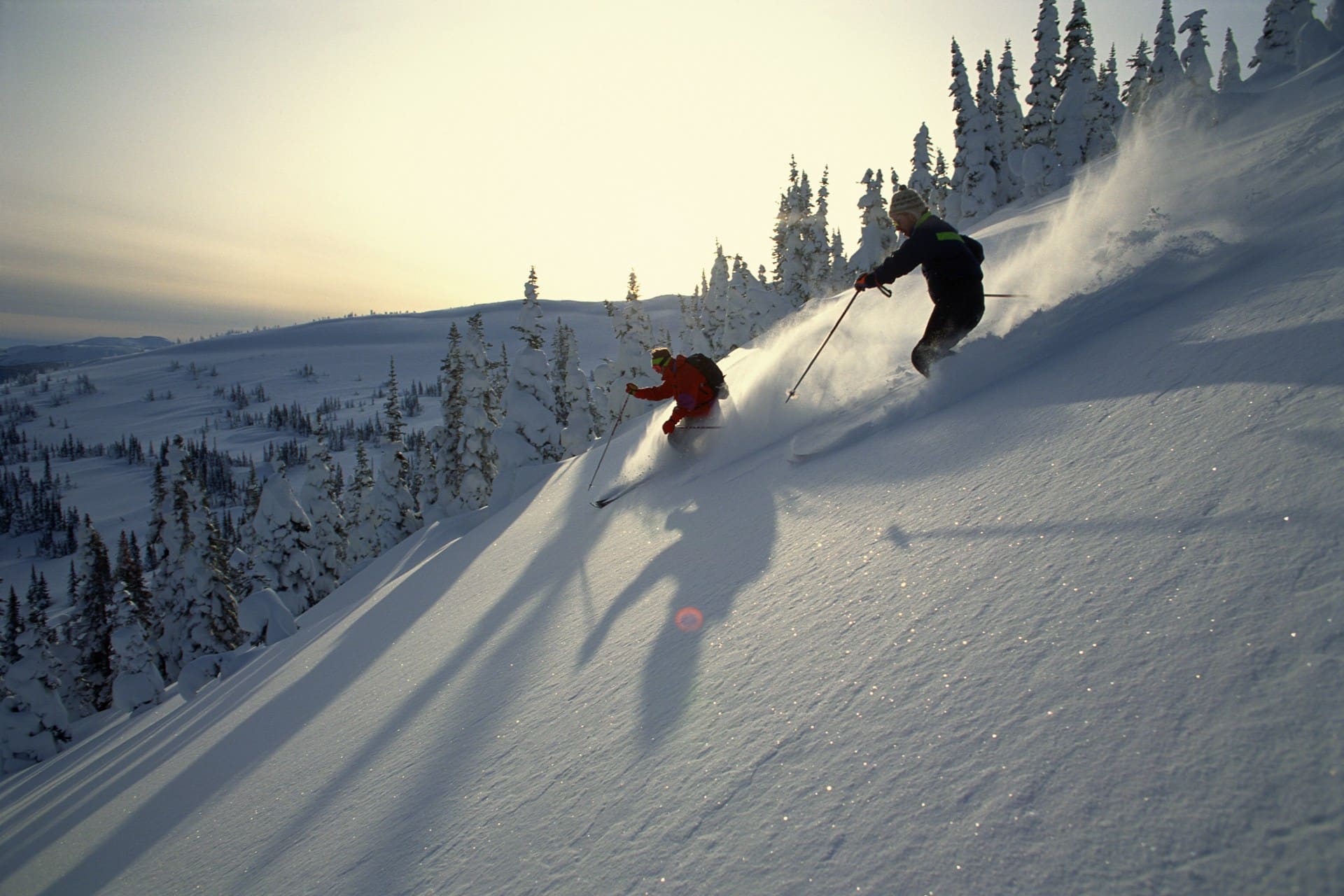
For many Alberta families, friends, and visitors, the holiday season is synonymous with ski trips, tubing outings, and winter recreation. From the Rocky Mountain resorts to community-operated tubing parks, these activities help define winter culture in the province. However, the combination of increased crowds, limited daylight, unpredictable weather, and high-speed recreational activities also creates a heightened risk of serious injury. For injured individuals, understanding liability (who may be responsible, on what legal basis, and under what limitations) is essential to navigating the aftermath of an accident on the slopes.
While skiing, snowboarding, and tubing are inherently risky, not every injury is an unavoidable consequence of winter recreation. Alberta law recognizes that operators, resort owners, maintenance contractors, equipment rental providers, and even other participants owe legal duties of care. When those duties are breached and an injury results, the injured person may have a viable claim for compensation.
Understanding the Inherent Risks of Winter Recreation
Skiing and snow tubing are classified as recreational activities with inherent dangers. Participants often travel at high speeds, operate in mixed-ability environments, and rely on environmental factors, such as snow conditions, lighting, grooming, and weather, that can change rapidly. Alberta law acknowledges these realities. Courts generally accept that participants assume certain obvious risks, such as falls due to loss of balance, collisions with natural terrain, or injuries resulting from their own inexperience.
However, the doctrine of “voluntary assumption of risk” does not give ski hill operators unrestricted immunity. Ski resorts and tubing parks must still take reasonable steps to ensure their facilities are as safe as reasonably possible. When preventable hazards contribute to an injury, the claim is not simply dismissed under the assumption of risk doctrine. Liability can arise when conditions deviate from what a reasonable participant would expect, or when the operator fails to mitigate known hazards.
The Legal Duties of Ski Hills and Tubing Parks in Alberta
Operators of ski resorts and commercial tubing parks are considered “occupiers” under Alberta’s Occupiers’ Liability Act, which sets the standard for safety obligations. The Act requires occupiers to take reasonable care to ensure that visitors are safe while using the premises. This duty extends to all areas of the facility, including ski runs, lift lines, loading and unloading zones, terrain parks, tubing lanes, walkways, rental shops, and parking lots.
In practical terms, the duty of care includes maintaining proper grooming of runs, ensuring equipment is safe and functional, posting adequate signage for hazards or closures, marking terrain changes, and ensuring that operational protocols are followed. Ski hills also have responsibilities in lift operation, staff training, crowd control, and emergency response processes.
Tubing parks, which often have designated lanes, mechanical lifts, and high-volume holiday traffic, must ensure that each of these elements runs safely and predictably. Where lanes are poorly designed, excessively icy, or inadequately supervised, accidents can occur that are not inherent to the activity but instead stem from negligent operation.
Common Causes of Injuries at Ski Hills and Snow Tubing Parks
Holiday-season injuries arise from a variety of circumstances. While some incidents are unavoidable, others point toward operational deficiencies, equipment failures, or inadequate supervision.
One common issue involves improper trail maintenance. Runs that are not groomed properly can form unexpected ice patches, ruts, or inconsistencies that significantly increase the risk of injury. When operators are aware of these conditions but fail to take corrective action or provide warnings, they may be held liable.
Another frequent source of claims involves ski lifts, including chairlifts, gondolas, carpet lifts, and tow ropes. Lift operation requires well-trained staff and constant monitoring. Improper loading or unloading assistance, equipment malfunction, or lapses in supervision can lead to falls or collisions. In tubing parks, conveyor-belt lifts present similar risks when not properly maintained or monitored.
Collisions also account for many winter recreational injuries. While collisions between participants often raise questions about individual negligence rather than operator negligence, certain circumstances suggest inadequate supervision or poor run design, particularly when mixed-ability users are directed into congested zones without adequate warnings.
Equipment Failures and Rental Shop Liability
Ski hills frequently provide rental equipment, including skis, snowboards, boots, helmets, and tubes. Rental shops must ensure that equipment is inspected, maintained, and adjusted properly for each user. Failing to adjust binding settings correctly, providing equipment with worn components, or issuing gear that is inappropriate for the user’s skill level can all create liability.
Equipment instructions are also an essential part of the duty of care. Participants who receive no guidance on proper adjustment, use, or safety limitations may be exposed to unnecessary harm. In tubing parks, operators must ensure tubes are safe, free of defects, and appropriate for the speed and terrain of the park’s design.
Signage, Warnings, and Awareness of Hazards
Adequate signage is critical at winter recreation facilities. Participants must be warned of closed trails, dangerous drop-offs, thin snow cover, intersections, and areas with sudden changes in grade. The absence of proper signage is a common basis for negligence claims. Alberta courts have recognized that participants rely on clear and visible warnings to navigate safely.
Holiday crowds can obscure signage, making visibility even more important. Over the holiday season, when resorts experience peak traffic, operators must anticipate that skiers and tubers (especially beginners or occasional participants) may be unfamiliar with terrain markings. When warnings are missing, inadequate, or poorly located, operators may be held responsible for resulting injuries.
Crowd Management and Holiday Peak-Season Risks
The holiday period brings an influx of families, tourists, and novice participants to Alberta’s ski hills and tubing parks. Increased crowding leads to longer lift lines, greater congestion on runs, and a heightened likelihood of collisions. Operators must account for these predictable seasonal conditions.
Crowd management obligations include organizing lift lines safely, preventing overloading of tubing lanes, ensuring staff presence on busy runs, and enforcing rules in high-risk zones. When an operator fails to increase staffing or implement safety protocols during known peak periods, an injured person may argue that the operator did not meet the standard of reasonable care.
Holiday staffing challenges can also contribute to risk. Seasonal workers may be inexperienced or insufficiently trained. If inadequate training contributes to a supervision error or equipment mishandling, liability may attach to the operator.
Weather and Environmental Conditions
Although ski hills cannot control the weather, they must monitor it and take appropriate measures to ensure the safety of their guests. This includes assessing wind levels, snowfall, visibility, avalanche risk, and freezing events. Weather-related hazards can make runs unsafe without proper intervention. Icy conditions require enhanced grooming, while storms may necessitate run closures.
Avalanche control is a specific concern in some Alberta mountain regions. Resorts operating in avalanche-prone terrain are expected to implement rigorous monitoring and mitigation systems. If risks are not assessed or appropriately communicated, an injured guest may have grounds for a claim.
Waivers and the Limits of Operator Liability
Most ski hills and tubing parks in Alberta require participants to sign liability waivers either on-site or electronically. The enforceability of these waivers is a crucial consideration in injury claims. Alberta courts generally uphold waivers when they are clearly written, properly brought to the participant’s attention, and applicable to the injury sustained. However, waivers do not automatically bar claims.
A waiver may be challenged if it was not reasonably noticeable, was ambiguous, or did not cover the specific activity or risk that caused the injury. Courts also closely examine the operator’s conduct. Gross negligence, reckless behaviour, or a failure to meet basic safety standards may fall outside the scope of a waiver’s protection.
The timing and method of waiver presentation also matter. If a waiver is buried in small print, provided after payment, or grouped with other contractual material without highlighting liability terms, an injured person may argue that they did not meaningfully consent. Tubing parks, which often welcome younger participants or family groups, must take particular care to ensure that waivers are signed by the appropriate parties and presented in a clear and understandable format.
Liability in Collisions Caused by Other Participants
Not all ski or tubing injuries are tied to operator negligence. Many involve collisions with other participants. In these cases, liability may rest with the individual who acted negligently. Alberta law recognizes that participants in recreational activities owe each other a duty of care. Skiers and snowboarders must maintain control, stay within marked boundaries, yield appropriately, and avoid reckless behaviour.
Claims against other participants may arise when someone skis at excessive speed in a beginner zone, fails to look uphill before merging, or ignores posted rules. Tubing collisions can also result from misconduct, such as intentionally spinning tubes into other lanes or failing to follow staff instructions. In some circumstances, the operator may share liability if inadequate supervision contributed to the unsafe conduct.
Damages Available to Injured Participants
Injured individuals may seek compensation for medical expenses, lost income, pain and suffering, reduced earning capacity, and future care costs. Winter recreational injuries can be severe, including fractures, concussions or brain injuries, spinal injuries, ligament damage, and sometimes long-term disability. Rehabilitation often extends beyond the holiday season, with lasting impacts on mobility, work, and daily life.
Because some injuries occur in remote mountain areas, delays in rescue or transport may worsen outcomes. These factors can be part of a claim when operational deficiencies contribute to unsafe conditions or delay an emergency response.
When to Seek Legal Advice After an Injury
Anyone injured on a ski hill or tubing park should seek legal advice promptly to protect their rights. The presence of waivers, mixed sources of liability, commercial operators, and potential third-party claims make these cases highly fact-specific. Legal counsel can assist with preserving evidence, reviewing the enforceability of waivers, evaluating operator compliance with safety obligations, and assessing the long-term impact of the injury. Furthermore, limitation periods for providing notice of a potential claim can vary significantly depending on the potential defendants or responsible parties, so it is crucial to obtain legal guidance as soon as possible after the injury.
Getting advice early is also important when the injured person faces pressure from insurers or operators to accept early settlements. These offers may not reflect the full extent of medical treatment needs, future income losses, or long-term disability.
Cuming & Gillespie LLP: Calgary Personal Injury Lawyers Providing Exceptional Advocacy in Winter-Related Injury Claims
If you or a loved one were injured on a ski hill or snow tubing park this holiday season, it is vital to understand your rights before speaking with insurers or accepting an early settlement. The personal injury lawyers at Cuming & Gillespie LLP can help you assess liability, review waiver issues, and determine whether operator negligence or equipment failures contributed to your injury. Contact us online or call (403) 571-0555 for trusted guidance and a clear path forward toward the compensation you may be entitled to.