
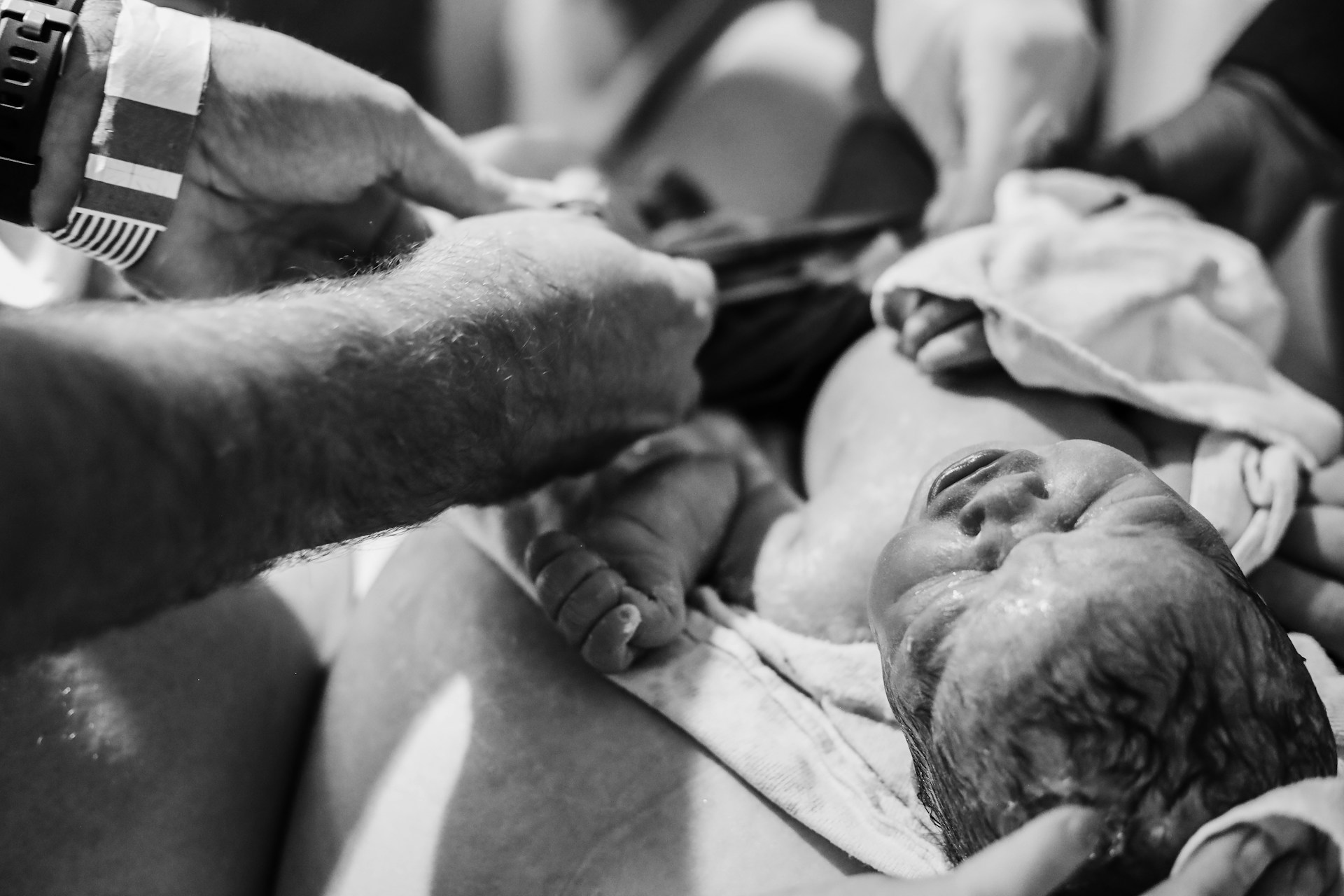
Childbirth is often a joyful and life-changing event. However, when complications arise during labour and delivery, prompt medical intervention can be critical to protecting the health and safety of both mother and child. One of the most important emergency interventions available to obstetricians is a cesarean section (C-section). When performed in a timely manner, a C-section can prevent serious injury or death.
Unfortunately, in some cases, medical professionals fail to act quickly enough. Delays in performing a necessary C-section can lead to devastating birth injuries, including permanent neurological damage, cerebral palsy, and other life-altering conditions. When these delays result from medical negligence, families may have legal options.
What Is an Emergency C-Section?
A cesarean section is a surgical procedure in which a baby is delivered through an incision in the mother’s abdomen and uterus. While many C-sections are planned in advance, others are performed on an emergency basis when complications arise during labour.
Emergency C-sections are often required when a baby shows signs of distress or when labour is not progressing safely. These situations can develop rapidly, requiring healthcare providers to make prompt decisions to protect the baby from harm.
Medical guidelines generally require that once a decision is made to perform an emergency C-section, the baby should be delivered as quickly as reasonably possible. Delays during this critical window can significantly increase the risk of serious injury.
Situations That May Require an Immediate C-Section
There are many circumstances during labour where a C-section may become necessary. In some cases, the need for surgical delivery arises suddenly and requires immediate action.
One of the most common reasons for an emergency C-section is fetal distress, which occurs when the baby is not receiving sufficient oxygen. Fetal distress is often detected through abnormal fetal heart rate monitoring during labour.
Other situations that may require an urgent C-section include:
- Umbilical cord prolapse
- Placental abruption
- Prolonged labour
- Failure of labour to progress
- Uterine rupture
- Severe maternal complications
When these complications occur, delays in delivering the baby can have catastrophic consequences.
How Delayed C-Sections Cause Birth Injuries
The most serious risk associated with delayed C-sections is oxygen deprivation, also known as hypoxia. When a baby does not receive enough oxygen during labour, the brain can begin to suffer damage within minutes.
Prolonged oxygen deprivation may lead to a condition known as hypoxic-ischemic encephalopathy (HIE). HIE can cause permanent neurological damage, including developmental delays, seizure disorders, and cerebral palsy.
Even relatively short delays can have severe consequences if the baby is already experiencing distress. In these cases, every minute matters. A failure to perform a C-section quickly enough may mean the difference between a healthy birth and a lifelong disability.
Birth Injuries Linked to Delayed C-Sections
Delayed emergency C-sections can lead to a variety of serious birth injuries. These injuries often require lifelong medical care and may significantly impact the child’s quality of life.
Some of the most common injuries associated with delayed C-sections include traumatic brain injuries, developmental disorders, and motor impairments. In severe cases, the injuries may result in permanent disability.
Birth injuries that may result from delayed C-sections include:
- Cerebral palsy
- Brain damage due to oxygen deprivation
- Seizure disorders
- Developmental delays
- Cognitive impairments
- Motor function impairments
For families, these injuries can lead to significant emotional, financial, and caregiving challenges.
Warning Signs That Medical Staff May Have Delayed Intervention
In some cases, the signs that a baby is in distress are clear and visible on fetal monitoring equipment. Healthcare providers are trained to interpret these signals and take appropriate action when complications arise.
However, negligence may occur if medical staff fail to recognize warning signs or delay responding to them. A delayed response can allow dangerous conditions to worsen before intervention occurs.
Examples of potential negligence may include failing to respond to abnormal fetal heart rate patterns, delaying the decision to perform a C-section, or failing to prepare the operating room quickly enough once the need for surgery is identified.
Determining Whether Medical Negligence Occurred
Not every birth injury is the result of malpractice. Labour and delivery can be complex, and complications can arise even when healthcare providers act appropriately.
However, medical negligence may occur when healthcare professionals fail to meet the accepted standard of care. In the context of delayed C-sections, this may include failing to recognize signs of fetal distress, delaying a necessary surgical delivery, or failing to properly monitor the baby during labour.
Determining whether negligence occurred typically requires a detailed review of medical records and expert medical analysis.
The Long-Term Impact on Families
Birth injuries caused by delayed C-sections can have lifelong consequences. Children affected by serious neurological injuries may require extensive medical care, therapy, and support services.
These costs can be substantial and may continue for decades. Families may face expenses related to specialized medical treatment, mobility equipment, home modifications, and ongoing caregiving needs.
In addition to financial challenges, families often experience emotional strain and uncertainty as they navigate their child’s medical and developmental needs.
Compensation in Birth Injury Claims
When medical negligence leads to a birth injury, families may be entitled to pursue compensation through a medical malpractice claim.
Compensation in these cases may include damages related to past and future medical expenses, rehabilitation costs, specialized care needs, and loss of future earning capacity. In many cases, a comprehensive life-care plan is required to estimate the injury’s long-term financial impact.
These claims can be complex and often involve extensive medical evidence and expert testimony.
Contact Cuming & Gillespie LLP for Exceptional Advocacy in Birth Injury Claims in Calgary
Birth injuries caused by delayed C-sections can change the course of a child’s life and place immense strain on families. If medical professionals failed to act quickly enough during labour and delivery, you may have legal options.
Cuming & Gillespie LLP represents families across Alberta in complex birth injury and medical malpractice claims, including cases involving delayed C-sections, cerebral palsy, oxygen deprivation, and other catastrophic injuries. Our team of medical malpractice lawyers works with leading medical experts to investigate whether negligence occurred and to pursue compensation that reflects the full lifetime impact of these injuries.
If your child suffered a birth injury and you believe medical negligence may have played a role, contact us online or call (403) 571-0555 to discuss your situation and learn about your legal options.