
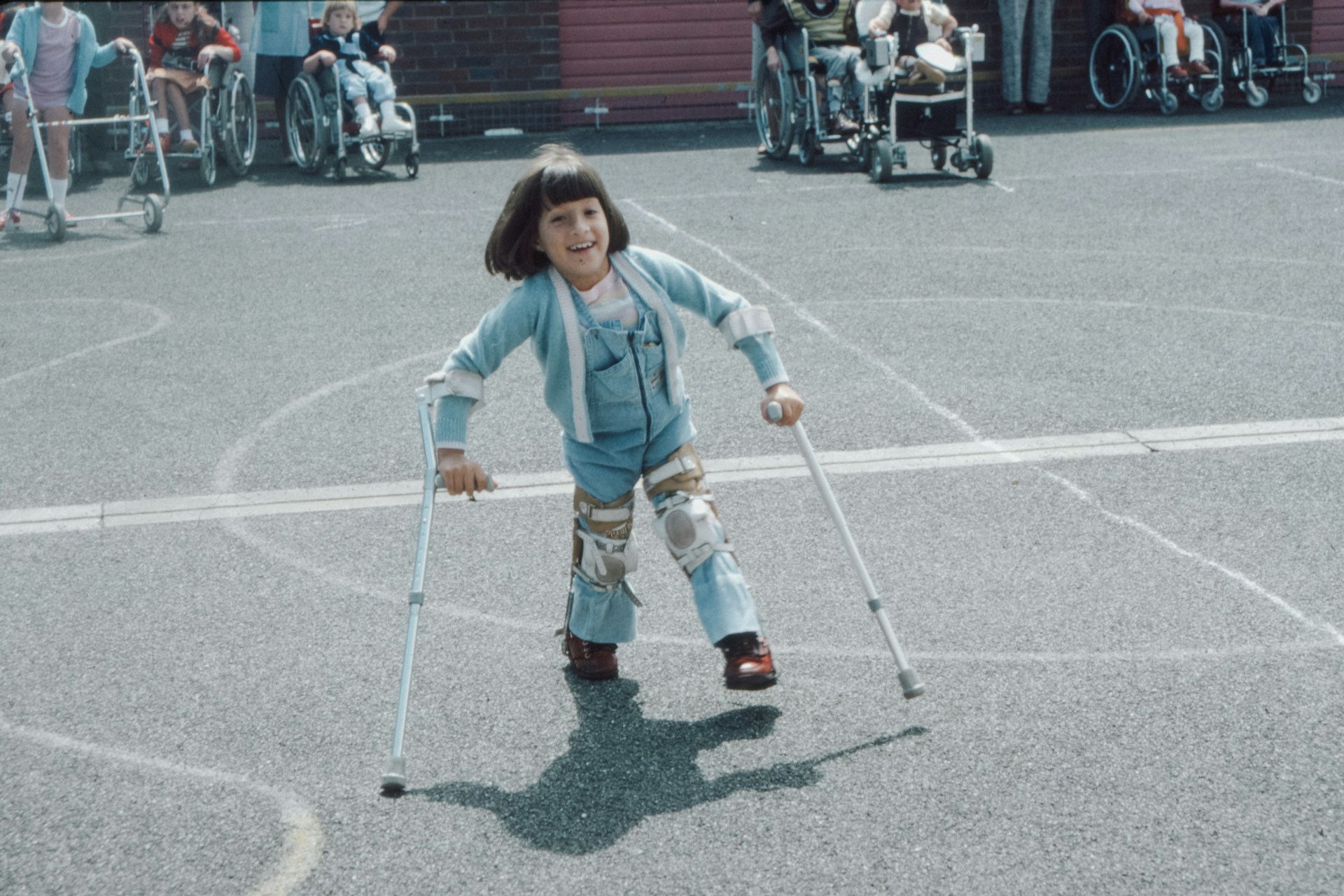
Every year on October 6, communities around the world recognize World Cerebral Palsy Day, an international movement dedicated to celebrating people living with cerebral palsy, raising awareness about the condition, and advocating for greater inclusion and accessibility.
According to the World Cerebral Palsy Day website, as many as 50 million people worldwide live with cerebral palsy, making it the most common lifelong physical disability. World Cerebral Palsy Day brings together people with cerebral palsy, their families, caregivers, advocates, health professionals, and organizations to promote a world in which people with cerebral palsy have equal rights, opportunities, and access.
For families whose children have been diagnosed with cerebral palsy, October 6 can also provide an opportunity to recognize the considerable work that families, caregivers, health professionals, therapists, educators, and community organizations undertake throughout a child’s life.
World Cerebral Palsy Day 2026: Unique and United
The 2026 World Cerebral Palsy Day campaign is centred on #UniqueANDUnited. The theme recognizes that no two people with cerebral palsy have exactly the same experiences, abilities, priorities, or goals, while highlighting the collective power of people advocating for a more accessible and inclusive society.
This year’s campaign asks people with cerebral palsy to identify a change they would like to see in their communities and encourage local leaders, organizations, businesses, and others who may be able to help make that change possible. The areas highlighted by the campaign include health care, education, employment, technology, accessibility, representation, and participation in community life.
World Cerebral Palsy Day organizers are also seeking formal recognition of October 6 by the United Nations. Organizers state that UN recognition could provide an enduring international platform for cerebral palsy awareness and encourage greater attention to research, services, inclusion, and opportunities for people living with CP.
Understanding Cerebral Palsy
Cerebral palsy, commonly referred to as CP, describes a group of conditions affecting movement, posture, balance, and coordination. It results from abnormal development of the brain or an injury to the developing brain before, during, or shortly after birth.
The effects can differ considerably from person to person. Some people experience relatively mild movement difficulties and live independently, while others require significant assistance with mobility and activities of daily living. Cerebral palsy may also occur alongside epilepsy, communication difficulties, vision or hearing challenges, intellectual disabilities, or other conditions.
Canadian researchers at CanChild have estimated that approximately one in every 400 people in Canada has cerebral palsy. The organization identifies prematurity, low birth weight, multiple births, and infection among recognized risk factors.
Cerebral Palsy Can Have Many Different Causes
One important part of cerebral palsy awareness is understanding that there is no single cause. In many cases, cerebral palsy develops because of events occurring during pregnancy. Potential causes can include abnormal brain development, infection, stroke, bleeding within the brain, or reduced blood and oxygen supply to developing brain tissue. Premature birth can also increase the risk of cerebral palsy.
Cerebral palsy can sometimes result from events occurring during labour, delivery, or shortly after birth. These may include a temporary lack of oxygen to the baby’s brain, severe infection, stroke, very low blood sugar, or other circumstances capable of injuring the developing brain. In other cases, the precise cause may never be established.
For that reason, the fact that a child has cerebral palsy does not, by itself, mean that a birth injury occurred or that medical care caused the condition.
When Cerebral Palsy May Raise Questions About a Birth Injury
Although many cases of cerebral palsy are unrelated to medical malpractice, parents may have questions about events during pregnancy, labour, delivery, or the neonatal period, particularly where a baby experienced significant oxygen deprivation or reduced blood flow to the brain.
In some cases, hypoxic-ischaemic brain injury can result in long-term neurological impairment. Other relevant circumstances may include fetal distress, placental or umbilical cord complications, infection, premature delivery, bleeding, neonatal stroke, hypoglycemia, or other medical events.
A cerebral palsy diagnosis alone does not establish that an injury was preventable or related to medical care. Determining what occurred generally requires a detailed review of the medical records and the circumstances surrounding the pregnancy, labour, delivery, and neonatal care.
Medical Malpractice Claims Require More Than a Poor Outcome
Medicine involves risk, and an unexpected or devastating outcome does not automatically establish medical malpractice. In a birth injury claim, questions may arise regarding whether the care provided met the applicable standard of care and whether an alleged failure in that care caused or contributed to the child’s injury. These are separate issues, and both can involve complicated medical and legal evidence.
Depending on the circumstances, an investigation may include prenatal records, fetal heart monitoring strips, nursing notes, labour and delivery records, operative reports, cord blood results, neonatal records, imaging studies, and other medical documentation. Independent medical opinions may also be required to understand the timing and cause of a child’s brain injury and whether different care would probably have changed the outcome.
The Lifelong Impact of Cerebral Palsy
Although the original brain injury associated with cerebral palsy is non-progressive, meaning the underlying injury itself does not worsen, an individual’s needs and symptoms can change throughout childhood and adulthood.
Depending on the person, treatment and support may involve physiotherapy, occupational therapy, speech and language therapy, medications, mobility equipment, assistive technology, surgery, educational assistance, home modifications, personal care, or other services. Some individuals may require substantial lifelong support, while others need relatively limited assistance.
These individual differences are one reason the World Cerebral Palsy Day campaign emphasizes that people with CP are both unique and united. The condition does not produce one universal experience, and assumptions about a person’s abilities or future based solely on a cerebral palsy diagnosis can overlook the enormous diversity within the CP community.
Moving From Awareness to Accessibility
World Cerebral Palsy Day is intended to do more than raise awareness of a medical diagnosis. Its organizers emphasize celebration rather than sympathy, individuality rather than assumptions, and action toward greater inclusion.
For Albertans living with cerebral palsy, meaningful inclusion can encompass accessible health care, education, employment, housing, recreation, transportation, technology, and public spaces. It can also mean ensuring that people with cerebral palsy have opportunities to participate directly in conversations and decisions affecting their lives.
The #UniqueANDUnited campaign encourages people to consider what change could make their own workplace, school, community, or organization more accessible. Even relatively small improvements can contribute to a broader effort to remove barriers and expand opportunities.
Contact Cuming & Gillespie LLP to Speak With an Alberta Birth Injury and Medical Malpractice Lawyer
A diagnosis of cerebral palsy does not necessarily mean that medical negligence occurred. However, when a family has questions about the medical care provided during pregnancy, labour, delivery, or the neonatal period, understanding what happened may require a detailed review of the medical evidence.
The birth injury and medical malpractice lawyers at Cuming & Gillespie LLP represent children and families affected by serious birth injuries, including cases involving cerebral palsy and brain injuries. We can review the circumstances surrounding a child’s birth, obtain and assess relevant medical records, and help families understand the legal options that may be available. Contact us online or call (403) 571-0555 to schedule your free consultation today.