
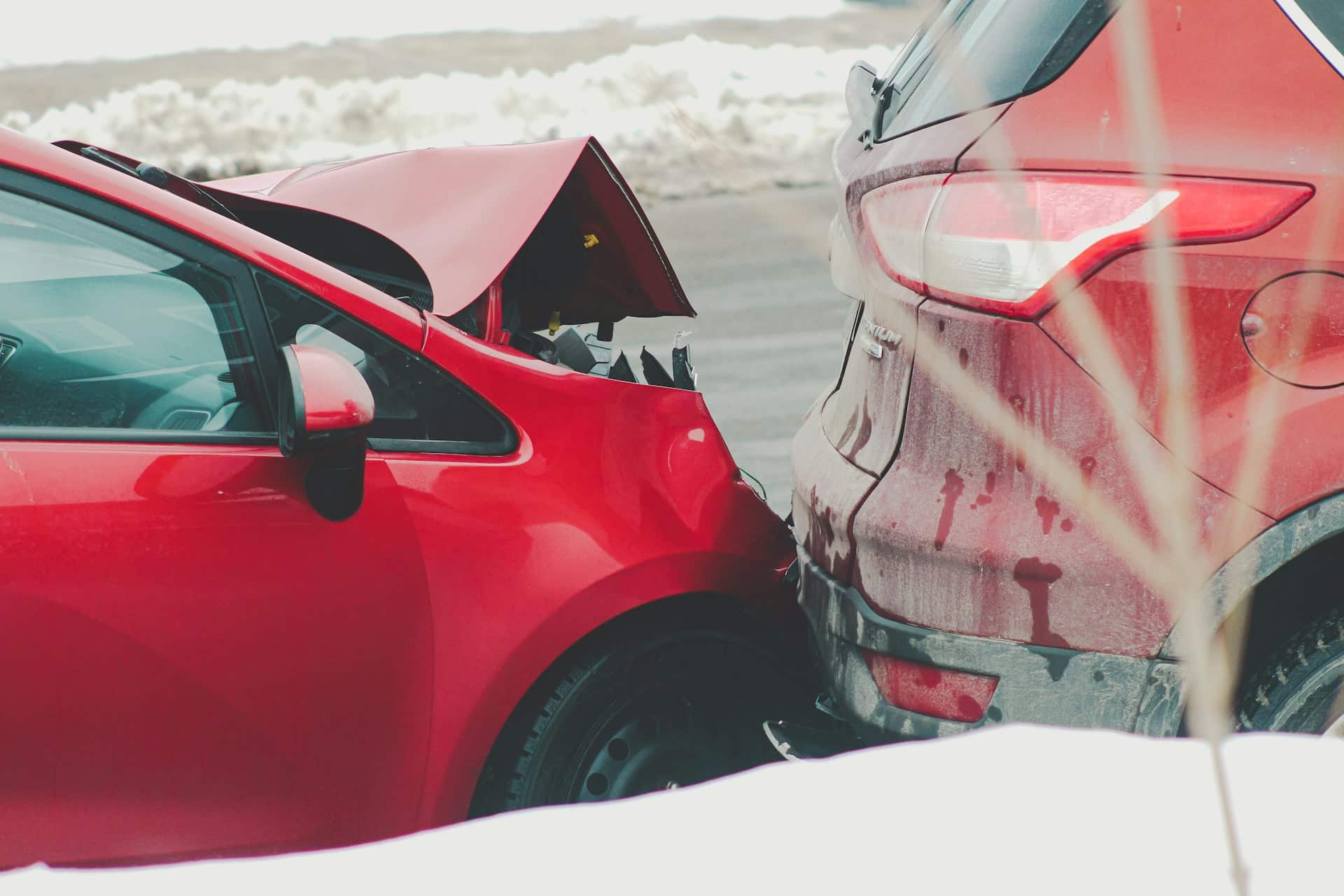
Multi-vehicle accidents are among Alberta’s roads’ most complex and devastating types of motor vehicle collisions. These chain-reaction crashes often involve several drivers, multiple points of impact, and a complicated web of potential liability. For those injured in such incidents, determining who is at fault is essential for pursuing compensation, yet it can be far from straightforward.
In Alberta, where icy highways, poor visibility, and high-speed traffic can contribute to pileups, injured individuals must navigate a challenging legal and insurance landscape. Understanding how fault is determined in multi-car collisions is key to protecting your rights and securing fair compensation.
The Nature of Multi-Vehicle Accidents
Unlike typical two-vehicle crashes, multi-vehicle pileups (sometimes called chain collisions or mass collisions) involve three or more vehicles. They frequently occur on highways or major routes, often during poor weather conditions such as snowstorms, fog, or black ice. A single triggering event, such as one driver rear-ending another, may rapidly escalate into a larger pileup as additional drivers fail to stop in time.
Pileups can involve dozens of vehicles and lead to severe injuries or fatalities. In these situations, emergency responders may take hours to assess the scene, clear the wreckage, and treat those affected. The chaos and overlapping damage can make it difficult to reconstruct what happened, which is why determining fault becomes a multi-layered legal process.
Assigning Liability After a Car Accident in Alberta
In Alberta, liability in motor vehicle accidents is governed by the principles of negligence. A driver is considered negligent if they fail to operate their vehicle with the level of care that a reasonable driver would exercise under similar circumstances. This includes driving too fast for the conditions, following too closely, failing to brake in time, or making improper lane changes.
To succeed in a personal injury claim, an injured party must generally prove that another driver owed them a duty of care, breached that duty, and caused injuries or damages as a result. This analysis must be performed for each potentially negligent driver involved in a multi-vehicle pileup.
Under Alberta’s insurance system, the at-fault driver’s insurance is typically responsible for compensating injured parties. However, when several drivers may share responsibility, fault must be apportioned accordingly. This adds a layer of complexity to claims arising from pileups.
Contributory Negligence and Apportioning Fault
Alberta law allows for the concept of contributory negligence, meaning that more than one party, including the injured plaintiff, can share responsibility for an accident. Under the Contributory Negligence Act, a court can assign a percentage of fault to each party involved. The compensation awarded to the injured party is then typically reduced in proportion to their degree of fault.
In multi-vehicle accidents, fault is often distributed among multiple drivers. For example, the driver who initiated the first collision may be largely at fault, but others who followed too closely or failed to react appropriately might also bear responsibility. If the injured plaintiff is deemed partly responsible (perhaps for speeding or not leaving enough space), they may still recover damages, but their award will be reduced.
The Role of Investigations and Evidence
A thorough investigation is critical in multi-vehicle accident cases. Police reports, witness statements, dashcam footage, vehicle damage analysis, and expert accident reconstruction reports all play important roles in determining how the crash unfolded and who was at fault.
Law enforcement officers may assign fault in their initial reports, but these assessments are not determinative in civil claims. Insurance companies and legal counsel often conduct their own investigations, sometimes leading to differing conclusions about fault. In some cases, independent accident reconstruction experts may be retained to analyze factors such as vehicle speeds, braking distances, and the sequence of impacts.
Photographs from the scene can also be vital, particularly when taken before vehicles are moved. These images can help establish vehicle positions, skid marks, road conditions, and visibility issues. In complex cases involving multiple collisions over a span of time, surveillance footage, GPS data, or onboard diagnostics from vehicles may also assist in understanding the chain of events.
Avoiding Multi-Car Pileups in Poor Weather Conditions
Weather plays a significant role in many Alberta pileups. Snow, ice, fog, and blowing wind can impair visibility and reduce traction, creating ideal conditions for chain collisions. While poor weather is often a contributing factor, it does not excuse negligent driving.
Drivers are expected to adjust their behaviour based on road and weather conditions. This may include reducing speed, increasing following distance, using headlights, or delaying travel. Failing to take such precautions can amount to negligence, even if the road conditions were treacherous.
In a pileup triggered during a snowstorm, for example, several drivers may be found liable for failing to drive appropriately for the conditions. Even if visibility was poor, a driver who rear-ends another vehicle because they were following too closely or driving too fast may be held partially or fully responsible.
Determining Fault in Rear-End Chain Collisions
Many pileups begin with a series of rear-end collisions. In most two-car rear-end accidents, the trailing driver is presumed to be at fault for not maintaining a safe following distance. However, the analysis becomes more nuanced in a chain-reaction collision involving multiple rear-ends.
Courts and insurers may consider whether each driver had sufficient time and space to stop after the initial impact. If a driver was struck from behind and pushed into the vehicle in front, they may not be found at fault for that second collision. Each point of impact must be considered independently, and fault assigned based on the individual circumstances of that collision. This often leads to multiple overlapping claims and defences, requiring a detailed understanding of the timing and nature of each crash.
The Impact of Unidentified or Uninsured Drivers
Some pileups involve vehicles that leave the scene before they can be identified, or vehicles operated without valid insurance. In these cases, injured individuals may still have options for pursuing compensation.
The Alberta Motor Vehicle Accident Claims (MVAC) Program provides compensation to injured victims when an at-fault driver is uninsured or cannot be identified. However, the maximum amount recoverable under the program is capped, and strict procedural requirements apply. Victims must also show that they made reasonable efforts to identify the unknown driver. It is crucial to seek legal advice promptly, as timelines and notice requirements can be tight.
Claims Against Multiple Parties
Given the nature of multi-vehicle collisions, an injured plaintiff may need to bring claims against several defendants. This can include not only other drivers, but also commercial vehicle operators, employers of at-fault drivers, or even municipalities if road maintenance issues contributed to the crash.
Each defendant may raise different defences and assert crossclaims against one another, making the litigation process highly adversarial and procedurally complex. Plaintiffs must be prepared to engage in a fact-intensive investigation and work with legal counsel who understands how to manage multi-party disputes effectively.
Seeking Compensation for Injuries After a Multi-Vehicle Collision
Injuries resulting from pileups can range from whiplash and soft tissue damage to traumatic brain injuries (TBIs), broken bones, and spinal cord damage. Victims may face extensive medical treatment, time away from work, and long-term rehabilitation needs.
In Alberta, injured parties can seek compensation for various losses, including pain and suffering, lost income, medical expenses, and future care costs. In fatal collisions, surviving family members may bring a wrongful death claim under the Fatal Accidents Act.
Don’t Delay After a Complex Accident
However, due to the complexity of fault in pileups, securing compensation often requires experienced legal representation. Insurers may dispute liability or minimize the severity of injuries, and the involvement of multiple parties can delay the claims process.
Time is also a critical factor. Alberta imposes a general two-year limitation period for personal injury claims, beginning from the date of the accident. Delays in pursuing a claim can compromise the availability of evidence and legal rights.
Contact Cuming & Gillespie LLP in Calgary for Skilled Personal Injury Representation After a Multi-Car Collision
Multi-vehicle pileups are legally and emotionally overwhelming events. With so many moving parts (literally and figuratively), determining fault requires a methodical, evidence-driven approach. The experienced personal injury lawyers of Cuming & Gillespie LLP assist in gathering evidence, identifying all potentially liable parties, negotiating with insurers, and advancing the strongest possible claim for compensation.
Cuming & Gillespie LLP understands the devastation of injuries caused by serious motor vehicle accidents. We confidently pursue claims for injured parties and ensure the responsible parties are held accountable, allowing our clients to focus on their recovery. To book a consultation, please call us at 403-571-0555 or contact us online.