
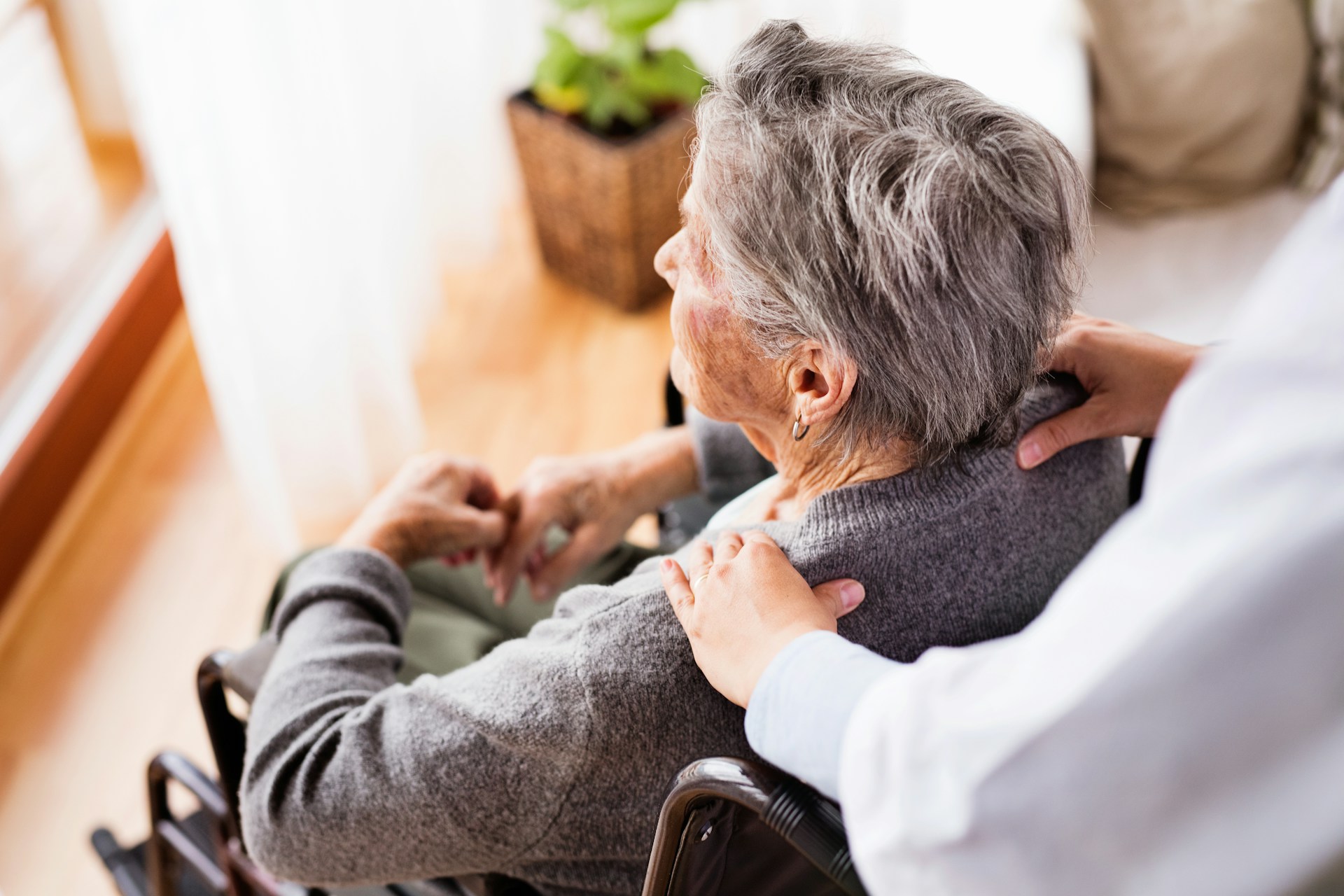
Families place loved ones in nursing homes and continuing care residences with the expectation that they will receive appropriate care in a safe environment. Yet residents sometimes suffer injuries not at the hands of staff members, but because of the actions of another resident.
Resident-on-resident aggression can include pushing, hitting, scratching, biting, or more serious physical or sexual assaults. These incidents can be particularly concerning where residents are older, physically frail, cognitively impaired, or unable to clearly explain what happened.
When one resident injures another, questions may arise about whether the incident could have been anticipated or prevented and what steps the care provider took to protect those involved.
Why Does Resident-on-Resident Aggression Happen?
Aggressive behaviour in continuing care settings can have many causes. Some residents live with dementia, neurological conditions, mental health conditions, communication difficulties, or other medical issues that affect how they perceive and respond to their surroundings.
Alberta Health Services describes certain actions associated with dementia as “responsive behaviours.” These behaviours may occur in response to pain, hunger, fatigue, confusion, medication side effects, fear, environmental stimulation, or other unmet needs.
Understanding why an individual behaves aggressively does not lessen the potential harm to another resident. Instead, it can make appropriate assessment, care planning, supervision, and risk management particularly important.
When a Resident Poses a Known Risk
Some aggressive incidents occur without warning. In other circumstances, however, a resident may have a documented history of aggression, threats, inappropriate touching, wandering into other residents’ rooms, or previous altercations.
Recurring behaviour may provide information that can be considered when assessing a resident’s needs and the risks present in a particular care environment.
Alberta’s Continuing Care Health Service Standards establish minimum standards for individualized health care based on assessed needs and recognize risk management as involving the identification, evaluation, and mitigation of potential risks.
Care Planning and Supervision Can Matter
When a resident displays aggressive or potentially harmful behaviour, care planning may address supervision, room placement, interactions with particular residents, environmental triggers, medication, behavioural interventions, staffing assistance, or other measures.
If incidents continue or behaviour changes substantially, questions may arise about whether previous assessments and care strategies remained appropriate.
Supervision may also be relevant. Following an altercation, it may be important to consider where staff members were located, how quickly they responded, whether the residents had interacted aggressively before, and whether additional monitoring had already been identified as necessary.
The Care Environment Can Contribute to Conflict
Shared rooms, dining areas, hallways, activity spaces, and other common areas bring together residents with different cognitive, physical, and behavioural needs.
A resident who becomes disoriented, wanders into another person’s room, or becomes overwhelmed by noise or activity may react unpredictably. Environmental stimulation and confusion can contribute to responsive behaviours in people living with dementia.
Where recurring conflicts involve the same residents or locations, the facility’s response may become relevant. Possible measures can include changes to routines, seating arrangements, supervision, accommodation, or programming.
Injuries Can Be Especially Serious for Older Residents
An interaction that might cause relatively minor injuries to a younger adult can have more serious consequences for an older or medically vulnerable person. A push can lead to a hip fracture. A strike to the head can cause a traumatic brain injury. Scratches or skin tears can lead to infection. An altercation may also cause significant fear or emotional distress.
Some residents may have difficulty communicating because of dementia, aphasia, hearing loss, or other conditions. Families may first become aware of an incident after noticing bruising, swelling, behavioural changes, fear of another resident, or an unexpected hospital visit.
What Happens After a Serious Incident?
A serious resident-on-resident incident may require more than simply separating those involved. Depending on the circumstances, the response may include medical assessment, documentation, family notification, investigation, reassessment of care needs, and measures intended to reduce the risk of another incident.
Alberta continuing care operators and providers also have mandatory reporting obligations for certain serious circumstances, including events involving serious harm or health and safety risks.
Incident reports, care plans, medical records, and related documentation may therefore provide important information about what happened and how identified risks were addressed.
Alberta’s Protection for Persons in Care Framework
Alberta’s Protection for Persons in Care Act applies to specified service providers, including continuing care homes. The legislation is intended to promote the prevention and reporting of abuse involving adults who receive care or support services.
The Alberta government states that covered service providers must take reasonable steps to protect clients from abuse and maintain a reasonable level of safety while providing care or support services.
Abuse can include conduct causing serious bodily or emotional harm, non-consensual sexual activity, certain forms of medication-related harm, financial abuse, and specified failures to provide necessities of life. Whether a particular resident-on-resident incident falls within this framework depends on the circumstances.
Warning Signs Families May Notice
Not every resident who experiences aggression will be able or willing to tell their family. Unexplained changes may therefore prompt questions about what is occurring within the residence.
Warning signs can include unexplained bruises, repeated falls, increased anxiety, reluctance to leave a room, fear of a particular resident, changes in sleep, withdrawal, torn clothing, or sudden behavioural changes.
These signs can have many possible explanations and do not establish that abuse or negligence occurred. Families with concerns may wish to obtain information about recent incidents and speak with the care provider.
When Resident-on-Resident Violence Leads to a Personal Injury Claim
A resident-on-resident injury does not automatically mean that a nursing home or continuing care provider is legally responsible. The circumstances leading up to the incident can be significant.
A personal injury claim may involve examining whether a risk of harm was reasonably foreseeable, what the care provider knew about the residents involved, how their needs were assessed, what precautions were implemented, and whether the care provided met the applicable standard.
Medical records, care plans, incident reports, behavioural assessments, witness accounts, previous complaints, and staffing information may help establish the circumstances surrounding an injury.
Cuming & Gillespie LLP: Calgary Personal Injury Lawyers Assisting Families After Nursing Home or Continuing Care Injuries
When an older adult is seriously injured in a nursing home, continuing care home, assisted living residence, or other care setting, families may have questions about how the injury occurred and whether reasonable measures were taken to protect their loved one.
At Cuming & Gillespie LLP, our knowledgeable personal injury lawyers assist injured seniors and their families with claims arising from nursing home negligence, elder abuse, resident-on-resident violence, falls, fractures, head injuries, and other serious injuries in continuing care settings throughout Calgary and Alberta. Contact us online or call (403) 571-0555 to schedule a confidential consultation on your nursing home or continuing care home negligence matter.