
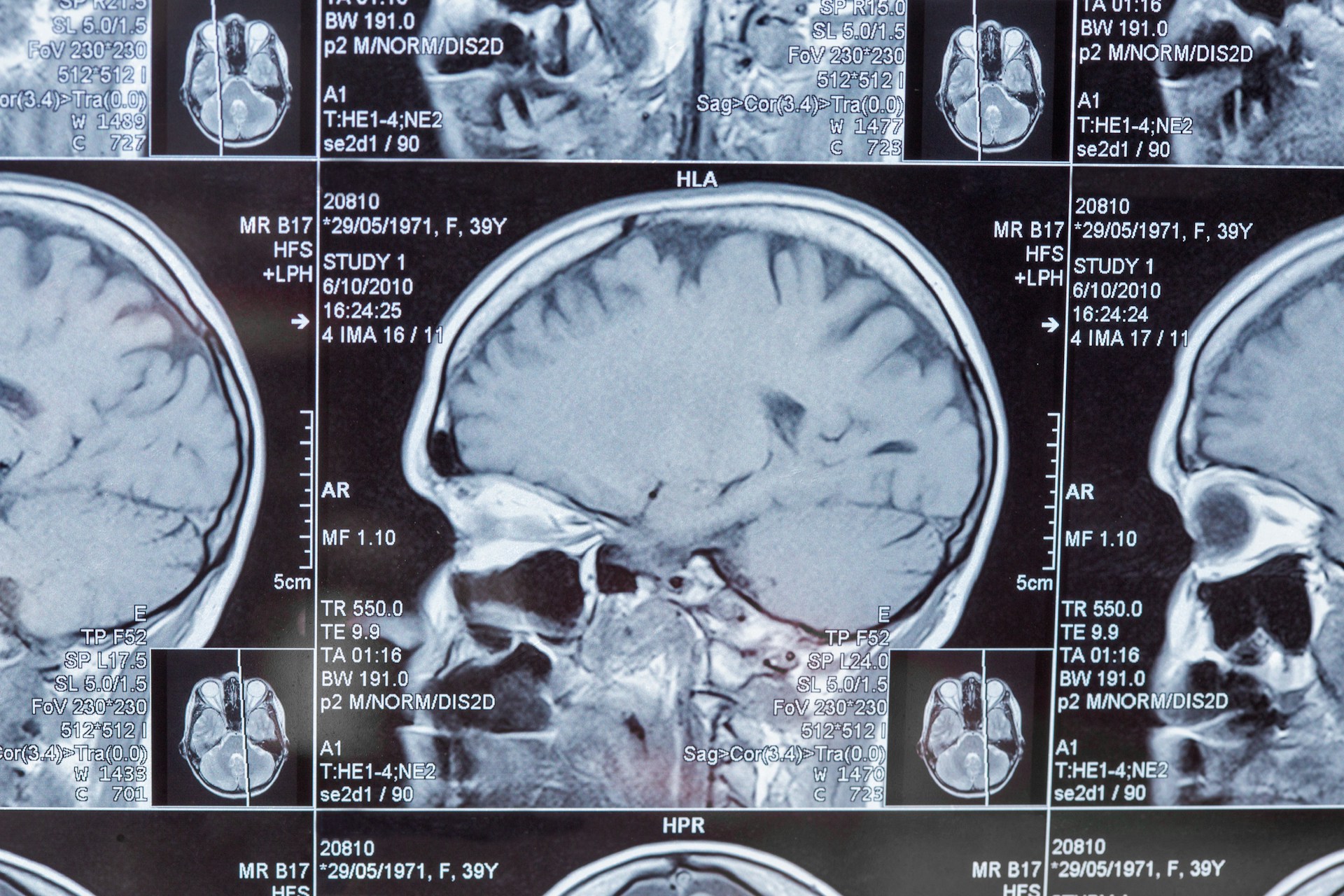
March 26 marks Purple Day, an international day of epilepsy awareness. For many families, epilepsy is not a congenital condition. It is the result of trauma — a preventable brain injury caused by negligence.
Post-traumatic epilepsy (PTE) is one of the most serious long-term complications of a traumatic brain injury. Seizures may not appear immediately. In some cases, they develop months or even years after the initial incident.
When epilepsy is caused by a motor vehicle collision, fall, assault, workplace accident, or medical negligence, Alberta law allows injured individuals to pursue compensation for the full scope of their losses.
Seizures are not minor complications. They can permanently alter a person’s independence, employability, and quality of life.
What Is Post-Traumatic Epilepsy?
Post-traumatic epilepsy refers to recurrent seizures that occur as a result of structural damage to the brain following head trauma.
After a traumatic brain injury, scar tissue can form in the brain. This disrupted tissue may interfere with normal electrical activity, triggering seizures. The risk of epilepsy increases with the severity of the initial brain injury, but it is not limited to severe cases. Even so-called “moderate” injuries can lead to long-term seizure disorders.
Seizures can take many forms, including:
- Generalized tonic-clonic seizures
- Focal seizures affecting specific parts of the brain
- Absence seizures
- Episodes involving confusion, memory lapses, or involuntary movements
For some individuals, seizures are controlled with medication. For others, they persist despite treatment.
The unpredictability of seizures is often as disabling as the seizures themselves.
Delayed Onset: Why Epilepsy May Not Appear Immediately
One of the most challenging aspects of post-traumatic epilepsy is delayed onset.
A person may suffer a head injury in a motor vehicle collision and appear to recover. Months later, they experience their first seizure. Insurance companies sometimes attempt to argue that the seizure disorder is unrelated to the original trauma.
Medical research, however, confirms that epilepsy can develop well after the initial injury. The absence of early seizures does not eliminate the causal link. However, establishing that connection typically requires expert neurological evidence.
How Epilepsy Impacts Daily Life
Epilepsy affects far more than physical health. Individuals who experience seizures are subject to driving restrictions. The inability to drive can dramatically affect employment, independence, and daily functioning, particularly in communities without robust public transit.
Employment limitations are common. Many professions, including construction, transportation, heavy machinery operation, and certain healthcare roles, may become unsafe or unavailable.
Beyond work restrictions, individuals may face:
- Increased injury risk during seizures
- Anxiety and depression
- Social stigma
- Medication side effects
- Sleep disturbances
- Cognitive difficulties
The cumulative impact is often significant. Compensation must reflect not only the medical diagnosis, but the lived consequences.
The Financial Cost of a Seizure Disorder
Post-traumatic epilepsy frequently requires lifelong management. Costs may include:
- Neurology consultations
- Diagnostic imaging and EEG testing
- Anti-seizure medications
- Emergency care following breakthrough seizures
- Psychological counselling
- Vocational retraining
- Home safety modifications
In severe cases, ongoing supervision or assisted living may be necessary.
When epilepsy results from negligence, these expenses form part of a comprehensive damages claim. Alberta courts assess compensation based on the individual’s projected lifetime needs, not short-term inconvenience.
Epilepsy Following Motor Vehicle Collisions
Motor vehicle accidents remain one of the leading causes of traumatic brain injuries in Alberta.
High-speed impacts, rollovers, and even moderate rear-end collisions can produce concussive forces sufficient to cause lasting neurological damage. When a collision results from distracted driving, impaired driving, speeding, or other negligent conduct, the at-fault party may be legally responsible for all foreseeable consequences, including post-traumatic epilepsy.
In many cases, seizures emerge long after the original personal injury claim has begun. A proper legal strategy ensures that evolving medical complications are documented and incorporated into damages calculations.
Under Alberta’s current fault-based framework, injured individuals are entitled to pursue full tort compensation, including future care and long-term income loss related to seizure disorders.
When Epilepsy Follows Medical Negligence
Seizure disorders may also arise after delayed diagnosis of a brain bleed, failure to treat oxygen deprivation at birth, or other forms of medical negligence.
A missed intracranial hemorrhage in the emergency room can result in permanent structural brain damage. Similarly, hypoxic-ischemic injury during labour can lead to childhood epilepsy.
In these cases, the legal analysis extends beyond the initial injury. The question becomes whether timely medical intervention would likely have prevented the neurological damage that led to seizures.
Hospitals and physicians are defended vigorously in these claims. Expert neurological evidence is essential to establish causation and long-term prognosis.
When preventable medical errors lead to lifelong seizure disorders, accountability matters.
Insurance Company Tactics in Epilepsy Claims
Seizure-related claims are frequently contested. Insurers may argue:
- The seizure disorder is unrelated to the accident
- The injury was too minor to cause epilepsy
- The condition is genetic or idiopathic
- Medication controls the condition, minimizing damages
These arguments often overlook the broader impact of epilepsy on employability, independence, and quality of life. Even controlled seizures can impose driving restrictions and employment barriers. Even infrequent seizures can create chronic anxiety and safety risks.
Compensation assessments must consider the totality of the impact, not a narrow medical label.
Proving Damages in Post-Traumatic Epilepsy Cases
Comprehensive documentation is critical for proving damages in these types of cases. Neurologists assess seizure frequency, severity, and prognosis. Occupational therapists evaluate functional limitations. Vocational experts analyze employment implications. Economists calculate future income loss and care costs.
Because seizure disorders can fluctuate, long-term medical evidence is often necessary before resolution.
Under Alberta’s legal system, injured individuals are entitled to seek damages reflecting their real and projected losses. The law recognizes that catastrophic neurological conditions require individualized assessment.
Limitation Period Considerations
As with other personal injury and medical negligence claims in Alberta, limitation periods apply; in most cases, two years from the date the injury occurred or was first discovered. In cases involving delayed onset epilepsy, determining when a claim was “discovered” can be complex. If seizures emerge months or years after the initial trauma, legal analysis may be required to assess whether additional claims or amended pleadings are appropriate.
Early legal advice ensures that evolving complications are incorporated properly and that rights are preserved.
Cuming & Gillespie LLP: Trusted Advocacy in Post-Traumatic Epilepsy Cases Across Alberta
If you or a loved one developed epilepsy after a trauma or medical negligence in Alberta, you may be entitled to compensation for long-term medical care, income loss, and diminished quality of life. The personal injury and medical malpractice lawyers at Cuming & Gillespie LLP investigate complex neurological injury claims and work with leading experts to pursue full and fair compensation. Contact us today online or call (403) 571-0555 to book a free, confidential consultation.