
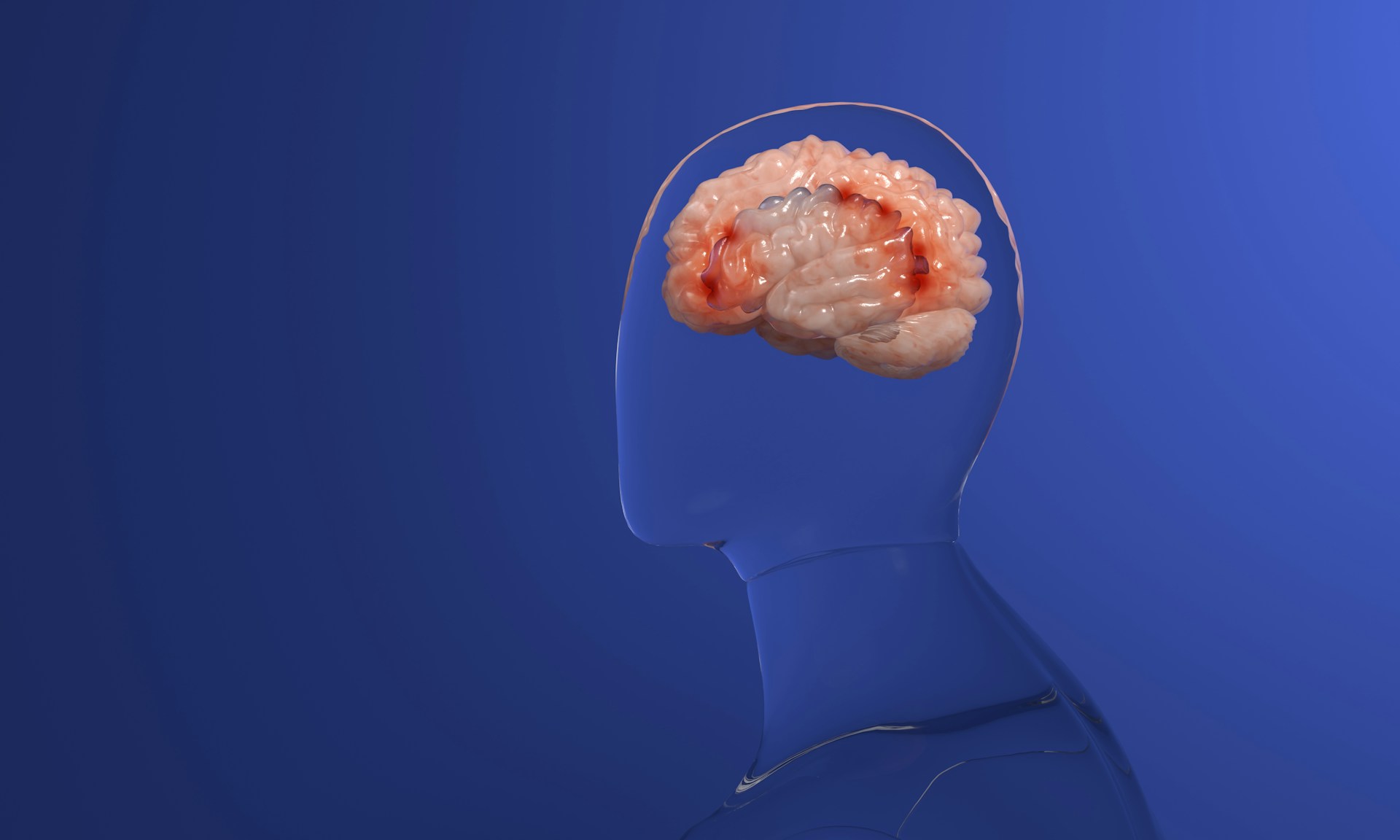
March is Brain Health Awareness Month, a time to recognize the profound impact neurological injuries can have on individuals and families. Among the most serious and most misunderstood of these injuries are traumatic brain injuries (TBIs).
In Alberta’s fault-based personal injury system, individuals who suffer brain injuries because of another person’s negligence have the legal right to pursue compensation. Yet brain injury claims are among the most aggressively contested by insurance companies. The reason is simple: they are often high-value claims involving long-term or permanent impairment.
Understanding why insurers fight these cases and how brain injury claims work in Alberta is critical for anyone facing this life-altering diagnosis.
What Is a Traumatic Brain Injury?
A traumatic brain injury occurs when an external force disrupts normal brain function. TBIs are commonly caused by motor vehicle collisions, falls, assaults, workplace incidents, and recreational accidents.
Some TBIs involve obvious trauma: skull fractures, bleeding in the brain, or loss of consciousness. Others are far more subtle. A concussion, for example, is medically classified as a mild traumatic brain injury. However, “mild” refers to the initial presentation, not the long-term consequences.
Many individuals with so-called mild TBIs experience persistent symptoms months or years after the incident. These may include:
- Memory problems
- Cognitive slowing
- Headaches
- Sensory sensitivity
- Mood changes
- Fatigue
- Difficulty returning to work
Because these symptoms are not always visible on imaging, brain injury claims often become battlegrounds.
Why Brain Injuries Are Frequently Minimized
Insurance companies approach brain injury claims with caution and often skepticism. Unlike a broken bone, which can be seen clearly on an X-ray, brain injuries do not always produce objective imaging findings.
This creates an opportunity for insurers to argue that symptoms are exaggerated, unrelated, or attributable to something else.
It is not uncommon for insurers to suggest:
- The injury was “just a concussion”
- Symptoms are caused by stress or anxiety
- The claimant had pre-existing mental health concerns
- The individual has recovered and simply needs more time
- Ongoing complaints are subjective
These arguments ignore a significant body of medical research confirming that TBIs can produce long-term neurocognitive impairment, even when initial imaging appears normal.
When an insurance company disputes the severity of a brain injury, it is not merely a debate over medical terminology. It is attempting to reduce financial exposure.
The Long-Term Consequences of a Brain Injury
A traumatic brain injury can affect nearly every aspect of a person’s life.
Cognitively, individuals may struggle with concentration, memory retention, executive functioning, and processing speed. Emotionally, they may experience depression, irritability, personality changes, or anxiety. Physically, chronic headaches and fatigue may persist long after the initial accident.
Employment is frequently affected. Professionals may be unable to maintain previous workloads. Skilled trades workers may lose their ability to perform physically demanding tasks safely. Students may require accommodations or may fall behind academically.
The financial implications can be substantial. Damages in Alberta brain injury cases may include:
- Loss of income and future earning capacity
- Cost of future care
- Rehabilitation expenses
- Loss of housekeeping capacity
- Pain and suffering
- Loss of competitive advantage in the labour market
In more severe cases, lifetime care planning can reach into the millions of dollars. These realities explain why brain injury claims are rarely resolved quickly or easily.
The Role of Medical Evidence in Alberta Brain Injury Claims
Because brain injuries can be complex and invisible, expert evidence is often central to proving the claim.
Neuropsychological testing can assess cognitive deficits. Neurologists may provide opinions regarding prognosis and causation. Occupational therapists may evaluate functional capacity and future care needs. Economists may calculate long-term financial loss.
Insurance companies frequently retain their own experts to challenge or reinterpret findings. This is not a simple paperwork dispute. It is often a detailed, expert-driven legal process.
Brain Injuries and Motor Vehicle Accidents
Motor vehicle collisions are one of the leading causes of traumatic brain injuries in Alberta. Even relatively “minor” collisions can produce significant concussive forces.
Rear-end collisions, side-impact crashes, pedestrian accidents, and commercial trucking incidents all carry risk. Importantly, a person does not need to strike their head directly to suffer a TBI. Rapid acceleration and deceleration alone can cause the brain to move within the skull.
In many cases, brain injury symptoms do not fully manifest until days or weeks after the collision. Individuals may initially attempt to “push through” symptoms before recognizing that something is wrong.
Delays in diagnosis are then used by insurers to question causation. Brain injury claims arising from car accidents must be investigated thoroughly and documented carefully from the outset.
The Importance of Accountability in Alberta’s Fault-Based System
Alberta currently operates under a fault-based insurance system. This means that negligent drivers and their insurers can be held accountable in court.
For individuals suffering traumatic brain injuries, this system provides access to:
- Full tort damages
- Independent legal representation
- Judicial oversight
- The ability to present expert medical evidence
Injury victims are not limited to fixed benefit schedules. They are entitled to pursue compensation proportionate to their actual losses.
Any system that limits access to courts risks undervaluing catastrophic injuries. Brain injuries are not minor inconveniences. They are often life-altering events that demand full and fair compensation.
Common Mistakes That Can Undermine Brain Injury Claims
Although every case is unique, certain patterns repeatedly appear in contested claims.
Individuals sometimes delay seeking medical care. Others downplay symptoms in early reports, hoping they will resolve on their own. Social media activity may be misinterpreted as evidence of recovery. Insurance adjusters may request recorded statements before the full medical picture is understood.
These early missteps can create complications later.
Brain injury cases require careful coordination between medical documentation, vocational analysis, and legal strategy. Early guidance can prevent insurers from shaping the narrative prematurely.
Why Experience Matters in Brain Injury Litigation
Brain injury claims are among the most complex personal injury cases in Alberta.
They involve medical science, future care forecasting, labour market analysis, and detailed financial modelling. They are often defended aggressively because of their potential value.
A lawyer handling these cases must understand not only the legal framework but also the medical realities and the tactics insurers commonly use to minimize exposure. When catastrophic injuries are at stake, there is no substitute for thorough preparation and assertive advocacy.
Cuming & Gillespie LLP: Alberta Personal Injury Lawyers Protecting Your Rights After a Suspected Brain Injury
If you or a family member has suffered a traumatic brain injury in a motor vehicle accident, fall, or other negligence-related incident, you do not have to navigate the insurance process alone. Brain injury claims require strong medical evidence, strategic advocacy, and a firm willing to stand up to insurers who attempt to undervalue serious neurological harm. The personal injury lawyers at Cuming & Gillespie LLP in Calgary combine compassion with a commitment to your full rehabilitation and legal success. To ensure your case is backed by decades of experience, call 403-571-0555 or reach out online for a consultation.