
Each year, Canadian Injury Prevention Day encourages communities across the country to reflect on the serious impact of preventable injuries. For many Albertans, that message is especially relevant during the summer months, when road trips, camping, boating, cycling, hiking, festivals, and outdoor recreation become part of everyday life.
Summer in Alberta brings longer days and more opportunities to enjoy the outdoors, but it can also increase the risk of injury. Busy highways, unfamiliar rural roads, crowded campgrounds, lakes, trails, construction zones, and recreational vehicles can all create situations where a fun outing turns into a serious incident.
Injury prevention is not about avoiding life or staying indoors. It is about understanding risks before they become emergencies. Whether travelling through Calgary, Edmonton, Red Deer, Banff, Jasper, rural communities, or Alberta’s many highways and lake areas, preparation can help reduce the likelihood of harm.
Road Trips and Long Drives Across Alberta
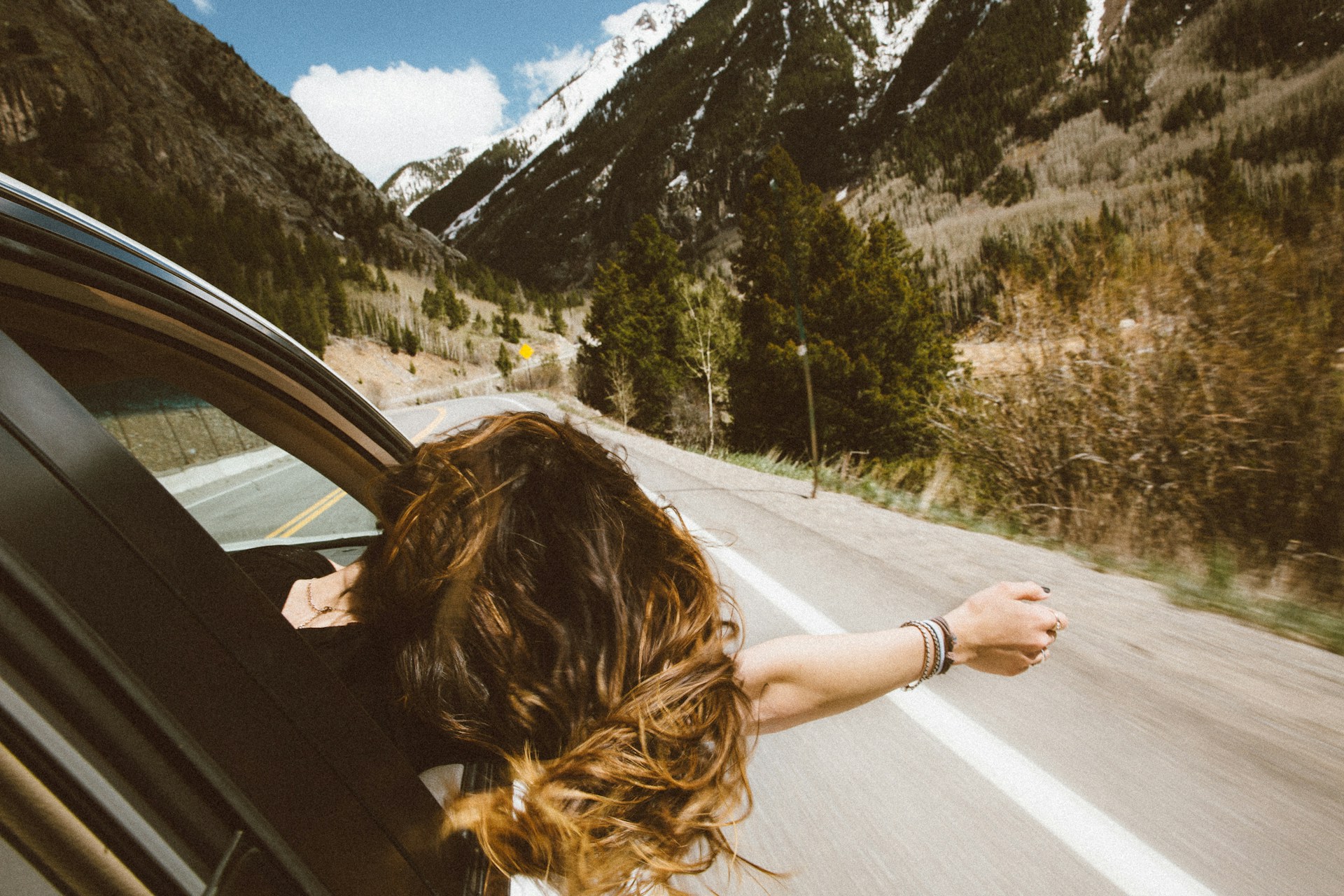
Road trips are a major part of Alberta summers. Families and friends often drive long distances to reach campgrounds, cabins, lakes, mountain parks, festivals, and family gatherings. Longer drives can increase exposure to fatigue, distraction, changing weather, wildlife, construction, and unfamiliar traffic conditions.
Drivers may wish to plan their route in advance, check weather and road conditions, build in rest stops, and avoid driving when tired. Fatigue can affect reaction time, attention, and decision-making. On high-speed highways, a brief lapse in focus can have significant consequences.
Seatbelts, proper child restraints, sober driving, and avoiding cellphone use remain important parts of road safety. Passengers can also play a role by helping with navigation, watching for hazards, and encouraging breaks when the driver appears tired or distracted.
Construction Zones and Seasonal Road Hazards
Summer is also road construction season in Alberta. Construction zones can change traffic patterns quickly, narrow lanes, reduce shoulders, and introduce workers, barriers, equipment, loose gravel, and sudden stops. These areas can be especially hazardous when drivers fail to slow down or pay close attention.
Motorists may encounter delays, lane closures, flag persons, temporary signage, and changing speed limits. A safe approach includes reducing speed early, leaving more space between vehicles, avoiding sudden lane changes, and watching carefully for workers and equipment.
Construction zones are not the only seasonal road hazard. Heavy rain, hail, smoke, dust, glare, wildlife, cyclists, motorcyclists, and farm vehicles can also create changing road conditions. Summer driving often requires drivers to adjust to the road as it is, not as they expected it to be.
Camping Safety and Campground Injuries
Camping is a favourite Alberta summer activity, but campgrounds can involve a mix of vehicles, pedestrians, children, pets, fires, cooking equipment, uneven ground, and recreational gear. These conditions can create risks for falls, burns, collisions, cuts, and other injuries.
Simple precautions can reduce the chances of harm. Campers may wish to keep pathways clear, use proper lighting at night, supervise children around roads and fire pits, store sharp tools safely, and maintain a safe distance from open flames. Fire safety is especially important in dry conditions or areas under fire restrictions.
Campgrounds can also involve shared responsibility. Drivers should watch for children, cyclists, pedestrians, and pets moving between campsites. Visitors should follow posted rules, respect speed limits, and remain aware of hazards such as uneven surfaces, low visibility, and crowded common areas.
Boating, Lakes, and Water Safety
Alberta’s lakes, rivers, and reservoirs attract boaters, swimmers, paddlers, and families throughout the summer. Water activities can be enjoyable, but they can also lead to serious injuries when risks are underestimated. Cold water, changing weather, alcohol, poor visibility, fatigue, and inadequate safety equipment can all increase danger.
Personal flotation devices, sober operation, weather awareness, proper supervision, and safe speeds are central to water safety. Children should be closely watched near water, even in shallow areas. Adults may also wish to avoid swimming alone or entering unfamiliar water without understanding depth, current, or underwater hazards.
Boating incidents may involve operators, passengers, swimmers, other boats, docks, and rental equipment. Taking time to review safety requirements, inspect equipment, and communicate expectations before leaving shore can help reduce confusion when conditions change.
Hiking, Biking, and Trail-Related Injuries
Alberta offers many trails for hiking, cycling, mountain biking, running, and sightseeing. Trail injuries may result from falls, collisions, wildlife encounters, dehydration, poor footwear, sudden weather changes, or getting lost. Even short outings can become risky when people are unprepared.
Hikers and cyclists may wish to choose routes that match their experience level, carry water, bring appropriate clothing, tell someone their plans, and check trail conditions before leaving. Helmets and other protective gear are also important for cyclists and mountain bikers.
Shared trails require extra attention. Cyclists, pedestrians, dogs, children, and faster users may all be present in the same space. Clear communication, controlled speed, and awareness around blind corners can help reduce the risk of collisions.
ATV, Dirt Bike, and Off-Road Vehicle Risks
Off-road vehicles are common in many parts of Alberta, particularly during summer weekends and holidays. ATVs, dirt bikes, side-by-sides, and other recreational vehicles can be powerful and difficult to control, especially on uneven terrain, steep slopes, gravel, mud, or unfamiliar trails.
Common safety considerations include helmets, seatbelts where applicable, sober operation, appropriate training, and avoiding excessive speed. Riders should also consider the terrain, weather, visibility, and whether passengers are permitted on the vehicle.
Off-road injuries can be severe because riders may be exposed, far from immediate medical help, or travelling in remote areas. Planning ahead, travelling with others, and carrying emergency supplies may help reduce the consequences if something goes wrong.
Pedestrian and Cyclist Safety in Busy Summer Areas
Summer brings more people onto sidewalks, paths, crosswalks, parking lots, patios, event grounds, and shared roads. Pedestrians and cyclists may be more visible in warm weather, but they can still face serious risks from distracted drivers, dooring incidents, poor lighting, unsafe turns, and failure to yield.
Drivers should check carefully at intersections, drive slowly in parking lots, watch for cyclists before opening vehicle doors, and be prepared for children or pedestrians moving unpredictably. In busy urban areas such as Calgary and Edmonton, extra caution may be needed around festivals, transit stops, construction zones, and entertainment districts.
Cyclists and pedestrians can also reduce risk by using designated crossings, following traffic signals, using lights or reflective gear where appropriate, and remaining aware of surrounding traffic. Visibility and predictability can make a meaningful difference.
Premises Safety During Summer Activities
Summer injuries do not only happen on roads and trails. They can also occur at grocery stores, restaurants, hotels, recreation facilities, rental properties, event venues, parking lots, patios, pools, and public spaces. Wet floors, broken stairs, poor lighting, loose mats, uneven pavement, cluttered walkways, and inadequate maintenance can all contribute to falls or other injuries.
Property conditions can change quickly during the summer. Rain can create slippery entrances, outdoor patios may have uneven surfaces, and busy events may lead to spills, crowding, or obstructed pathways. Regular inspection and maintenance can play an important role in reducing hazards.
For visitors, awareness of surroundings can help. However, not every hazard is obvious or avoidable. When serious injuries occur, questions may arise about how the incident occurred, the condition of the property, and whether reasonable steps were taken to reduce risk.
Children, Teens, and Summer Injury Prevention
Children and teens may spend more time outdoors during the summer, increasing exposure to playgrounds, trampolines, bicycles, scooters, sports, pools, lakes, and roadways. Many childhood injuries occur suddenly, often during everyday activities.
Parents and caregivers may wish to consider age-appropriate supervision, helmets, water safety, safe play areas, and clear rules around roads, campfires, tools, and recreational vehicles. For teens, conversations about distracted driving, impaired driving, passenger safety, and safe recreation can also be important.
Summer freedom is valuable, but boundaries and preparation can reduce risk. Injury prevention for children often involves matching activities to a child’s maturity, environment, supervision, and equipment.
When Prevention Is Not Enough
Even when people take precautions, serious injuries can still happen. Motor vehicle collisions, falls, recreational incidents, dog bites, boating injuries, and pedestrian or cyclist collisions may lead to long-term consequences. These can include pain, mobility challenges, brain injuries, psychological impacts, income loss, treatment costs, and disruption to family life.
After an injury, it may be important to document what happened, seek medical attention, keep records, identify witnesses where possible, and preserve photographs or other evidence. Each situation is different, and the details surrounding an incident can matter.
Canadian Injury Prevention Day is a reminder that many injuries are not random. They often involve patterns, hazards, choices, systems, and circumstances that can be examined. In Alberta, summer safety begins with prevention, but understanding the next steps when serious injuries occur can also be important.
Alberta Personal Injury Lawyers for Summer Accident Claims
If you or a loved one has been seriously injured in a summer accident in Alberta, including a motor vehicle collision, pedestrian or cyclist accident, slip and fall, boating incident, campground injury, ATV crash, or recreational injury, Cuming & Gillespie LLP in Calgary can help you understand your options. Our experienced Alberta personal injury lawyers assist injured people and families in Calgary, Edmonton, Red Deer, Lethbridge, Medicine Hat, Grande Prairie, Fort McMurray, and communities across the province. To discuss a personal injury claim after a serious accident in Alberta, call Cuming & Gillespie LLP at (403) 571-0555 or visit our contact page on our website